What Old Space Coast Means, The Editorial Premise
Brevard County had a history before the rockets. The lagoon was here. The Ais were here. The citrus growers were here. This publication is about all of that, on its own terms.
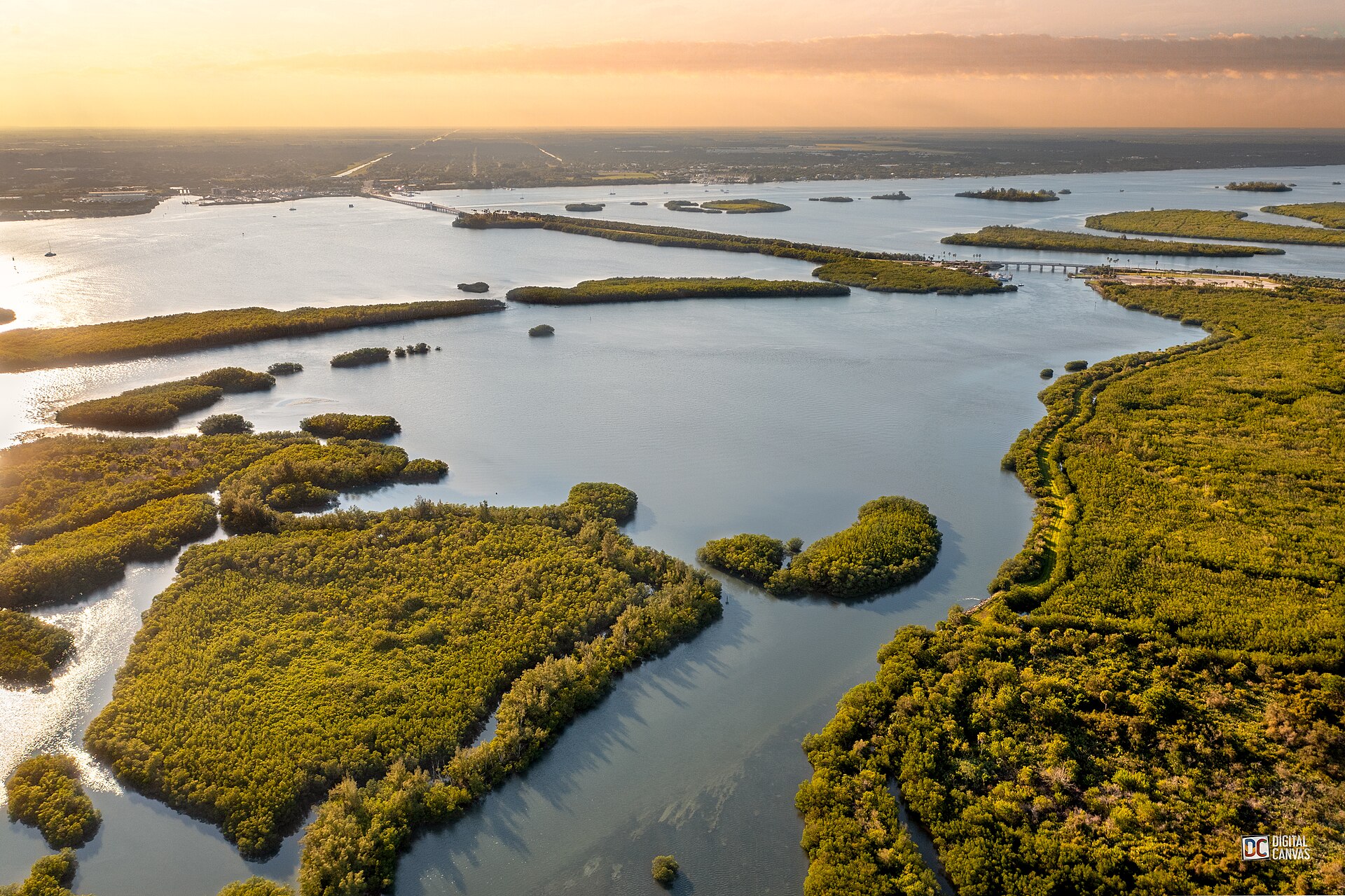
The Space Coast is what Brevard County calls itself now. The name showed up in tourism brochures around 1962 and stuck. It is fine, accurate enough, and durable. We use it.
But the place predates the name by almost everything that matters. The Ais people held the lagoon coast for fifteen hundred years before Pedro Menéndez de Avilés sailed past in 1566. The Florida East Coast Railway reached Titusville in 1885 and rewrote the lagoon economy in a decade, sixty-five years before the first rocket launched at Cape Canaveral. The 1894-95 freezes pushed central Florida citrus growers south into Brevard. The Indian River Steamboat Company filed for bankruptcy in 1903. The Klan bombed Harry T. Moore in 1951. Each of these is part of the place. None of them are reducible to “before the space program.”
This publication is about the regional history that does not fit under the Space Coast brand. The eight cities in this network, Cape Canaveral, Cocoa, Cocoa Beach, Melbourne, Palm Bay, Rockledge, Titusville, plus this hub, each have their own publication for what happened inside their borders. This hub covers what crosses those borders: the Indian River Lagoon, the railroad lines, the freezes, the hurricane tracks, the long shadow of segregation across the county, the boom-and-bust cycle that every NASA program transition produces.
What we mean by “old”
“Old” here is not nostalgic and not aesthetic. It is descriptive. The region has 500 years of recorded European-contact history, several thousand years of pre-Columbian habitation, and roughly 75 years of space-program identity. “Old Space Coast” means the regional history before the rockets and alongside the rockets, treated as continuous and primary.
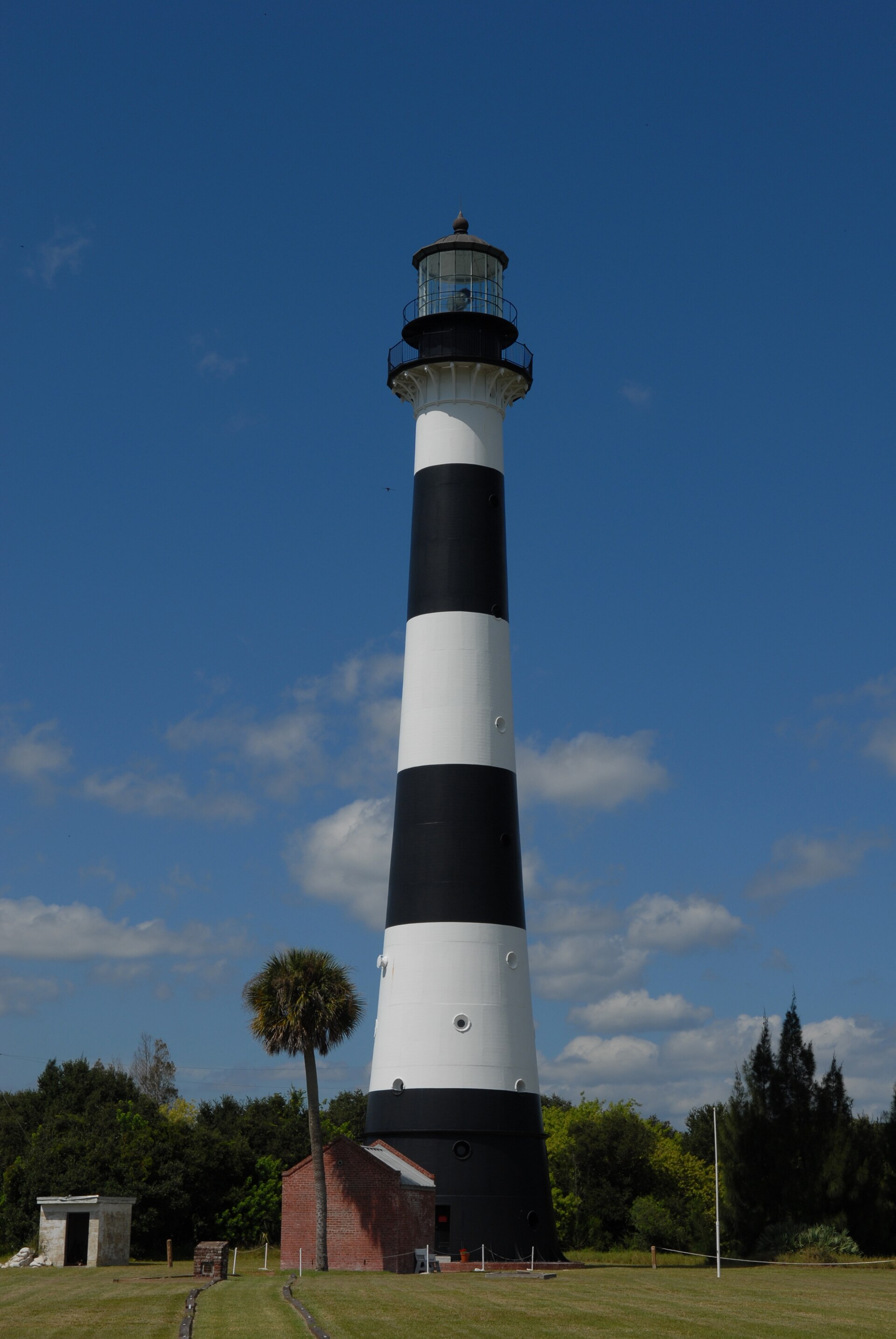
The label is also a small deliberate inversion. The Space Coast name implies the regional identity starts in 1950 with Bumper 8. We don’t think it does. The lagoon and the citrus belt and the rail towns and the Black communities and the Mosquito County boundaries were all there before. They shape what came after. The rockets are a chapter, not a prologue.
What we cover
The 25 articles on this hub cover the regional connective tissue:
- Indigenous and early colonial Brevard, the Ais people, the Spanish missions, the displacement
- The territorial and statehood-era county boundaries, Mosquito County, Orange County, the 1855 split that became Brevard
- The railroad era and the Indian River steamboat fleet, how the lagoon coast transitioned from water to rail
- The citrus economy, the freezes that ended it, and the agricultural successions
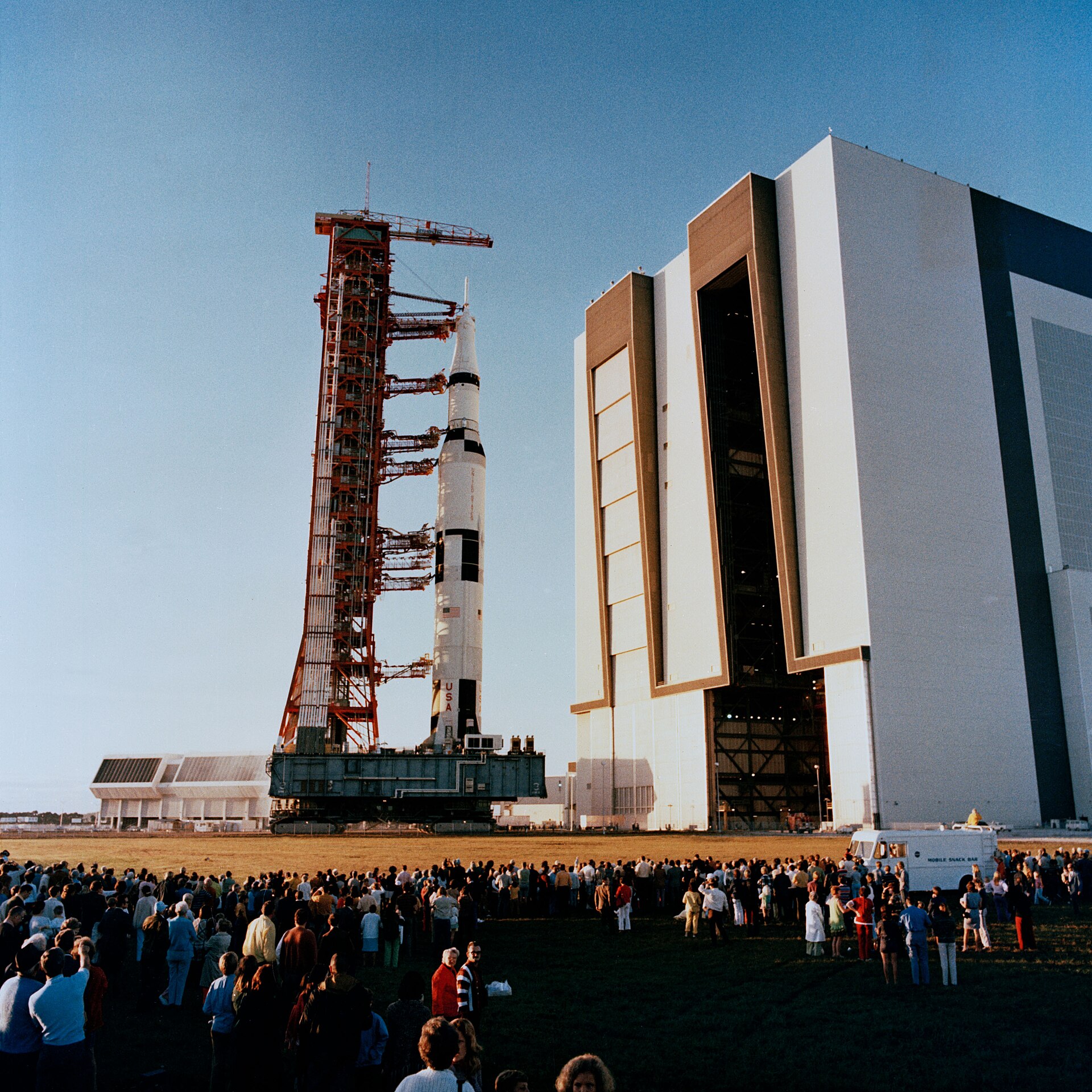
- The military-aviation-to-space-program transition at Patrick and the Cape
- The Apollo population boom, the 1973 oil-crisis bust, the Shuttle reprieve
- The Indian River Lagoon ecosystem and its long decline
- The Black history of Brevard, from Freedmen’s settlements through Harry T. Moore to school desegregation
- The recreational economy, fishing, surfing, tourism, that runs underneath every other regional industry
- The hurricane record, the causeway story, the seat-of-government politics
The list is not encyclopedic. The local libraries, the Brevard County Historical Commission, the Florida Historical Society, and the academic literature handle the deep archival work that no website can replicate. What we add is a synthesis: regional history written for current readers, drawn from documents that are named at the bottom of every article.
What we don’t cover
We don’t cover:
- Single-city history that belongs on the seven city-specific publications in this network. If you want the history of Cocoa Beach, read Old Cocoa Beach. If you want the history of Palm Bay, read Old Palm Bay.
- Active news. We are not a news site. We are a regional history publication. News belongs at Florida Today, Space Coast Daily, or WMFE.
- Tourism guidance. We are not a travel guide. We are not telling you which hotel to book or which restaurant to try.
- Speculation. We do not write articles about what the space program “should” have been or about counterfactual scenarios for the regional economy. We write about what actually happened.
Why this exists
The honest answer is that the regional history of Brevard is interesting and not well-aggregated. The academic and archival sources are deep but scattered. The popular tourism-and-real-estate framing dominates the search results. The lagoon-coast settlements, the agricultural successions, the civil-rights history, the cycle of space-program contractions, all of these are documentable, all of them have surviving primary sources, and almost none of them have a single dedicated regional-history publication doing the work.
We are doing the work. The articles are what we have produced. The Sources sections are the most important part. If you find a claim that is wrong, the citations will tell you where the claim came from and where to check.
What’s next
The 25 articles on this site are the initial release. We plan to add coverage of:
- The space program in detail, individual Mercury, Gemini, Apollo, Shuttle, and post-Shuttle program histories
- More detailed lagoon ecology and restoration progress reporting
- Specific hurricane events and their long-term consequences
- The 19th-century settlement waves that produced the modern Brevard population pattern
- Industry-specific histories (tourism, healthcare, technology, defense contractors)
- Civic and political histories of individual issues
The cadence is irregular. We publish when we have something worth reading, not on a schedule. New articles are listed in the RSS feed and announced through the newsletter. Both are free.
The lagoon will outlast this publication. So will the rocket program. So will the region’s various boom-and-bust cycles. What we are trying to do is leave a durable record of how the regional history fits together, written for current readers, available for whoever needs it. That is the project. Everything else is detail.
Further Reading
As an Amazon Associate we earn from qualifying purchases.