Recreational Fishing on the Space Coast, 1900 to Now
Mosquito Lagoon redfish, the snook regulations of the 1980s, the charter-boat tradition out of Port Canaveral. Brevard's recreational fishing identity predates the space program and outlasted citrus.
The Space Coast was a destination fishing region 50 years before it became a destination space region. Cape Canaveral was running offshore charter boats by 1910. The Indian River Lagoon supported one of the largest recreational redfish and seatrout fisheries on the Atlantic coast through the 1920s-1970s. Snook fishing in the lagoon was unregulated through the 1950s and collapsed sharply in the 1960s, prompting the first state snook regulations in 1979. Today the regional recreational fishing economy generates approximately $400 million per year.
The Cape Canaveral charter era, 1900-1950
Offshore charter fishing out of what is now Port Canaveral began in the early 1900s. The Cape’s location, at the western edge of the Gulf Stream, with the warm offshore current bringing pelagic species close to shore, produced exceptional sailfish, marlin, kingfish, dolphin (mahi-mahi), and wahoo runs through most of the year.
The earliest commercial charter operations worked out of small marinas on the Indian River, with boats running through the Cape Canaveral inlet (then a natural shallow pass, frequently silted) to the Atlantic. The 1910s-1920s saw the development of small fleet operations at Eau Gallie, Cocoa, and Titusville, each running offshore trips with mainly winter-season visitors.
By 1930 the area had a small but established offshore charter industry. The Brevard County tourism brochures of the era emphasized the fishing alongside the citrus and the beaches. Florida Memory’s photo collection contains many images of trophy sailfish, kingfish, and tarpon catches from the 1920s-1940s Brevard charter operations.
Port Canaveral and the modern fleet
The Port Canaveral inlet was stabilized and dredged to commercial port specifications between 1949 and 1953, supporting the new Air Force missile testing operations. The deep-water access transformed the local charter fishing infrastructure. Port Canaveral became the largest offshore fishing port in Brevard County by the late 1950s and the largest sport-fishing port on Florida’s east coast by the 1980s.
The Cape Marina, opened 1965, and the Sunrise Marina, opened 1978, both became major charter operation centers. The combined Port Canaveral charter fleet at peak in the early 2000s numbered approximately 80 boats running regular charters. Half-day and full-day offshore trips, plus longer multi-day trips to the Bahamas and Bimini, were the standard offerings.
The fleet has contracted somewhat in the 2010s and 2020s, partly due to fuel costs, partly due to the cruise-ship traffic dominating port operations, and partly due to changes in offshore fish populations. Current Port Canaveral charter fleet is approximately 50-60 boats in regular service.
The Mosquito Lagoon flats fishery
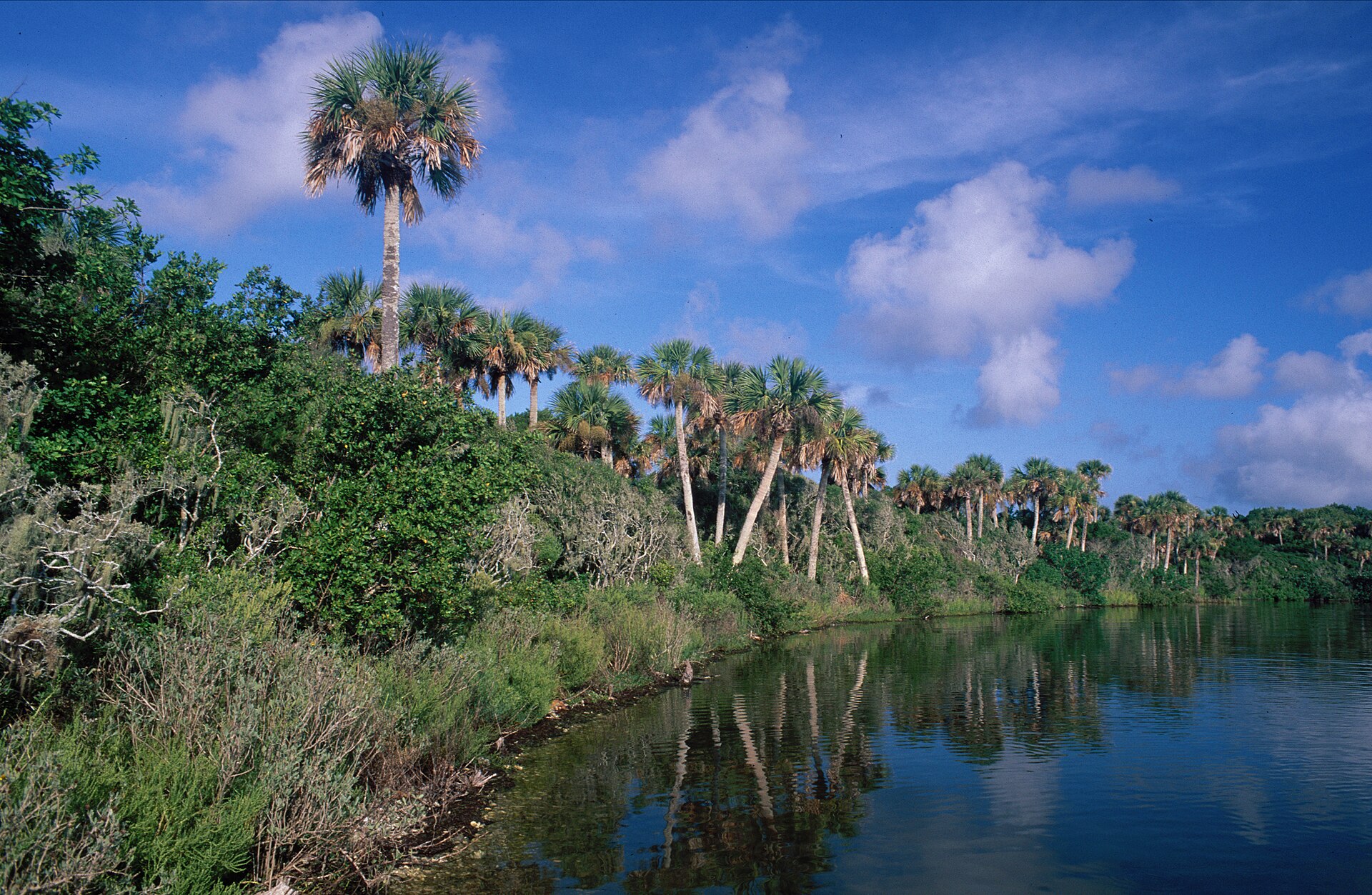
Inshore fishing in the Mosquito Lagoon, the northernmost section of the Indian River Lagoon system, developed differently. The lagoon’s shallow flats, seagrass beds, and seasonal redfish runs supported a distinct flats-fishing tradition that became internationally known in the 1970s-2000s.
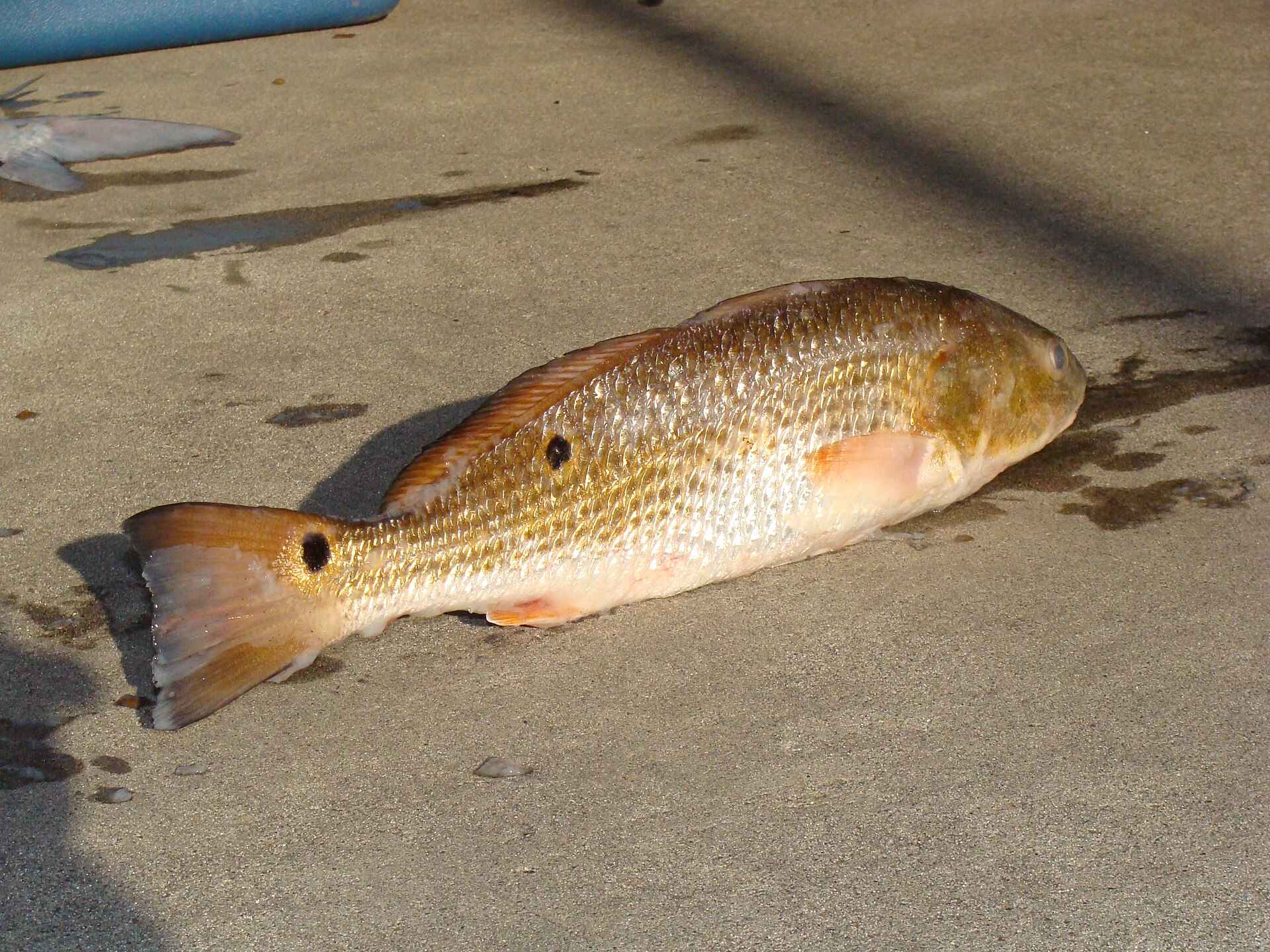
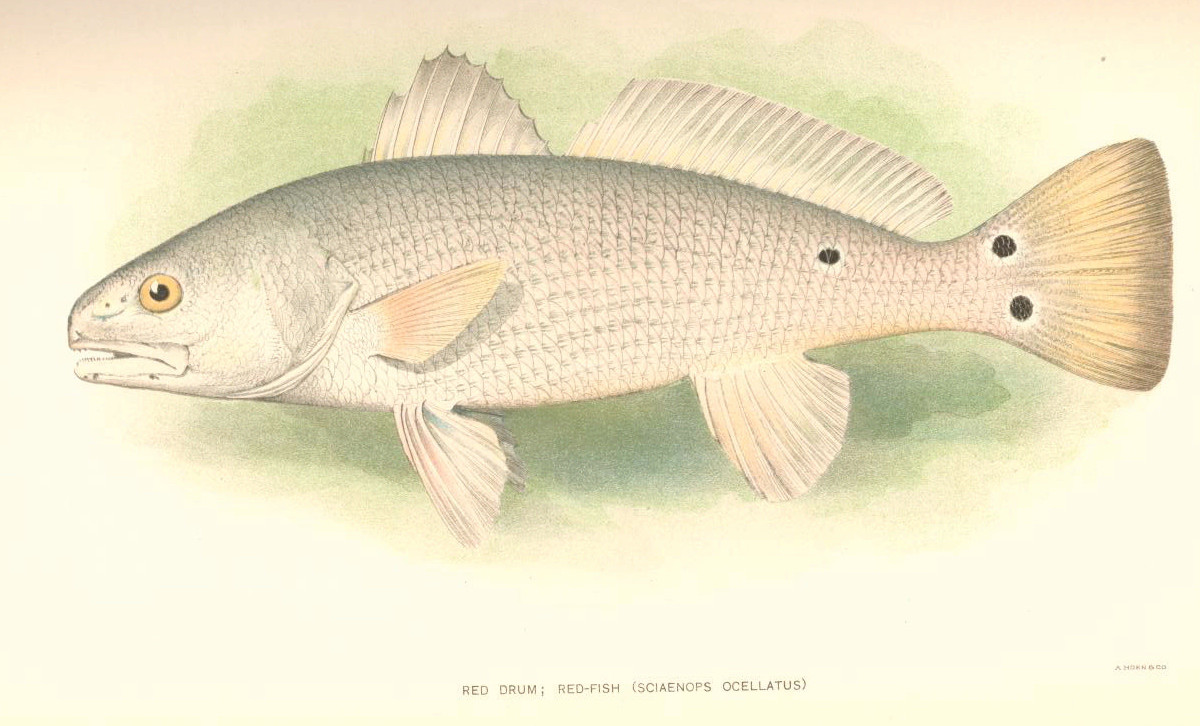
Redfish (red drum, Sciaenops ocellatus) were the primary target. The lagoon’s combination of shallow water (mostly 2-5 feet deep), abundant seagrass habitat, and limited boat traffic created near-ideal conditions for redfish populations. The Mosquito Lagoon was one of the best US locations for sight-fishing trophy redfish, fish over 27 inches (the upper “slot” boundary for harvest) and frequently fish over 40 inches.
The flats-fishing technique developed in the Mosquito Lagoon influenced redfish and saltwater fly-fishing techniques across the Gulf and Atlantic coasts. Several locally-developed boats (the Hewes Bonefisher, the Action Craft skiffs, the Maverick HPX) were designed specifically for Mosquito Lagoon conditions and became standard offshore-state flats fishing platforms.
The redfish collapse and recovery, 1980s-2000s
Recreational and commercial overfishing of Florida redfish populations in the 1970s and early 1980s produced significant population declines. The combined pressure of unregulated harvest, gillnetting (still legal in Florida through 1994), and habitat loss reduced regional redfish populations to roughly 25 percent of historical levels by 1985.
Florida instituted progressively stricter redfish regulations starting in 1985. By 1989 the state had:
- Banned commercial harvest of redfish (effective 1986)
- Set a strict slot limit (18-27 inches) for recreational harvest
- Limited bag to one redfish per angler per day
- Closed certain spawning aggregation areas during peak season
Federal action followed. The 1995 Florida constitutional amendment banning entanglement gillnets in state waters removed the largest non-recreational pressure on redfish and other inshore species. The combination of state regulations and the 1995 net ban produced one of the most successful US fishery recoveries. Redfish populations rebounded to approximately 70 percent of historical levels by 2005 and remain stable at that level through 2026.
The snook story
Snook (Centropomus undecimalis), the Indian River Lagoon’s other major sport fish, followed a similar trajectory. The fish ranges into Florida from Caribbean populations and concentrates in the lagoon’s mangrove shorelines, around docks, and in inlets during spawning season (April-October).
Unregulated harvest through the 1950s-1970s produced significant population declines. The first Florida snook regulations were established in 1979, with a four-fish-per-day bag limit and a 20-inch minimum size. Subsequent regulation tightening (the 1986 snook stamp requirement, the 1989 closed seasons, the 2010 slot limit changes following severe cold-snap mortality) has produced gradual recovery.
The 2010 cold snap was particularly damaging. The January-February 2010 prolonged cold weather killed an estimated 1-2 million snook in Florida coastal waters, primarily through hypothermic stress in shallow flats and inlets. Brevard’s lagoon snook population dropped to roughly 30 percent of pre-2010 levels. Recovery has been slow; current populations are approximately 60-70 percent of the pre-2010 baseline.
The current fishing economy
NOAA’s Marine Recreational Information Program (MRIP) survey data shows Brevard County recreational fishing generating approximately $400-450 million per year in direct economic activity in 2023-2024. The breakdown:
- Offshore charter fishing out of Port Canaveral: approximately $80 million per year
- Inshore guide services in the lagoon: approximately $40 million per year
- Recreational angler spending (private boats, tackle, lodging, food): approximately $280 million per year
- Tournament and commercial event revenue: approximately $25 million per year
The fishing economy employs approximately 4,000-5,000 people in Brevard, mostly in charter operations, marinas, tackle retail, lodging, and food service catering to anglers. The Florida Sportsman magazine, founded in Stuart in 1969, has covered the Brevard fishing scene continuously since its founding and remains the dominant regional sport fishing publication.
What threats the fishery faces
The seagrass collapse in the Indian River Lagoon (documented in our “Indian River Lagoon Ecosystem” article) is the dominant current threat to the inshore fishery. Without seagrass beds, the redfish and seatrout nurseries are degraded, baitfish populations decline, and the lagoon’s overall ecological productivity drops. The 2011-2021 seagrass loss period correlated with measurable declines in inshore fishing success across Brevard.
Recovery of the inshore fishery depends substantially on the lagoon restoration efforts now underway through the Save Our Indian River Lagoon program and the broader IRL Council restoration agenda. Whether the restoration succeeds is the open question for the next two decades.
Offshore fishing faces different pressures. Climate-related range shifts of pelagic species, declining bait populations, fuel costs, and the regulatory complexity of federal Magnuson-Stevens management all affect the charter operations. The fleet has been adaptive, diversifying into ecotourism trips, cruise-passenger excursions, and shorter near-shore trips, but the core sport-fishing economic model is under more pressure now than at any point since the 1960s.
The continuity that matters
Brevard’s recreational fishing economy has been a constant feature of the regional identity through every other economic transformation. The 1880s steamboat tourists fished the same waters from the same docks. The 1920s citrus growers ran charter boats out of the same inlets. The 1960s NASA engineers and the 2020s SpaceX engineers fish the same flats with similar techniques. The fishing economy is not the largest part of the Brevard economy in dollar terms, but it is one of the most durable, surviving citrus collapses, hurricane disasters, regulatory shocks, and three different space-program cycles without fundamental disruption.
What that durability suggests is that fishing on the Space Coast is not really about the space program or the tourism economy or the residential development. It’s about the geography. The Indian River Lagoon is a 156-mile sheltered nursery for marine life. As long as the seagrass holds, the fish populations hold. As long as the fish populations hold, the recreational fishing economy holds. The variable is the seagrass, and the seagrass is the test for the next 25 years.
Further Reading
As an Amazon Associate we earn from qualifying purchases.