The Naval Air Station at Banana River, 1940 to 1947
Before NASA, before Patrick Space Force Base, the site was a naval air station for anti-submarine patrols over the Atlantic. NAS Banana River trained crews for PBM Mariner flying boats and ran convoy escort through the war.
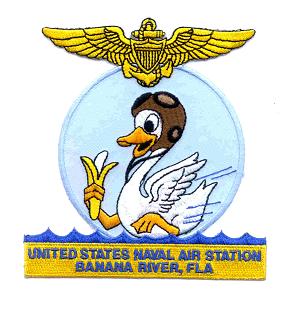
The Navy commissioned Naval Air Station Banana River on October 1, 1940. The base ran for seven years, training crews and flying anti-submarine patrols out into the Atlantic during World War II, before the Navy turned the property over to the new Air Force in 1947. The Air Force renamed it Patrick Air Force Base in 1950. The Space Force inherited it in 2020.
That straight line, Navy, Air Force, Space Force, runs through the same hangars, taxiways, and runways. The base today is unrecognizable as a 1940 seaplane station, but the bones are 85 years old.
The site selection
The Navy needed a new patrol base for the Atlantic seaboard in 1939-1940. The existing east coast naval air stations at Norfolk, Jacksonville, and Key West were either too far north or too far south to cover the Florida Straits and the Bahama Channel, both critical shipping lanes. The Banana River site, on the western edge of what was then a sparsely populated barrier island, had several specific virtues:
- Deep, sheltered water at the Banana River seaplane ramp for PBM Mariner and PBY Catalina operations.
- Adjacent land for a paved runway when wheeled-aircraft operations expanded.
- Year-round flying weather. Florida loses fewer flying days to weather than any other east-coast site.
- A small civilian population at the time. The Cocoa Beach area in 1940 had under 200 year-round residents.
The base construction took roughly twelve months. The Navy bought the land from local owners, condemned a few holdouts, and built five hangars, a seaplane ramp, a paved runway, barracks, a hospital, and the standard supporting infrastructure. Total cost ran to approximately $9 million in 1940 dollars.
Operations
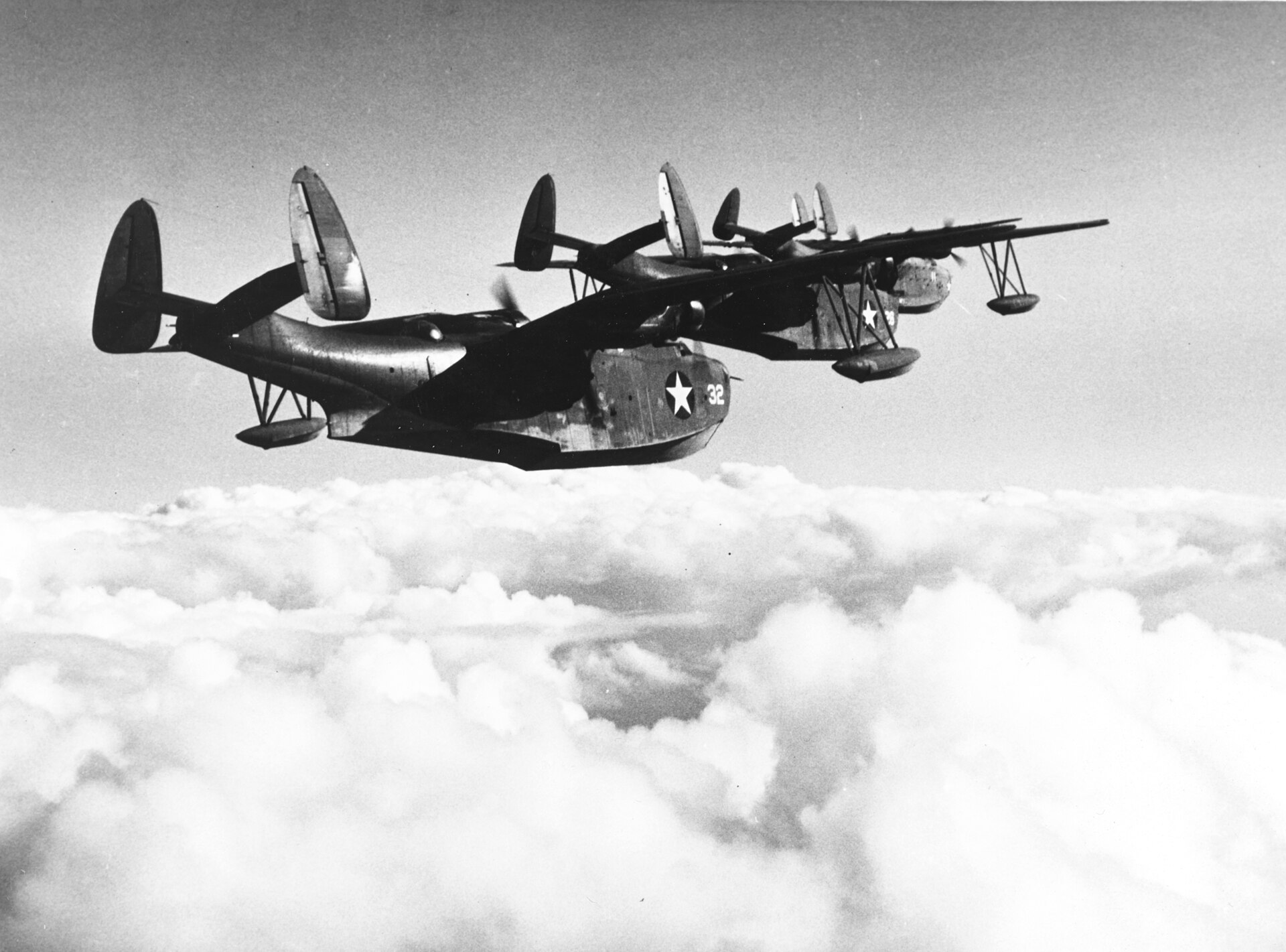
Patrol Squadron 74 (VP-74), flying PBM-3 Mariner flying boats, was the first major tenant. The squadron arrived in late 1942 and flew anti-submarine patrols over the Florida Straits, the Bahama Channel, and the Gulf of Mexico through 1943-1944. The Atlantic U-boat threat was real off Florida, German submarines sank dozens of merchant ships off the Florida coast in 1942, including the SS Java Arrow off Cape Canaveral in May 1942.
The PBM Mariner was a twin-engine flying boat with a 118-foot wingspan, a range of about 2,000 miles, and an endurance of roughly 12 hours. A typical patrol from Banana River ran out to sea 500 miles, swept a search pattern, and returned. The crews were 7 to 9 men: two pilots, navigator, radio operator, flight engineer, and gunners.
By 1944 the U-boat threat off Florida had largely been neutralized. The base shifted to training operations, including operational training for PBM crews bound for Pacific squadrons. Air-sea rescue operations also expanded; NAS Banana River crews rescued downed aviators and sailors from sinkings across the Atlantic coast through the war.
The base population peaked in 1944-1945 at approximately 5,500 military personnel plus several hundred civilian employees. The town of Eau Gallie, the nearest substantial civilian population center, roughly doubled in size during the war years as base support personnel and military families settled there.
Aircraft losses
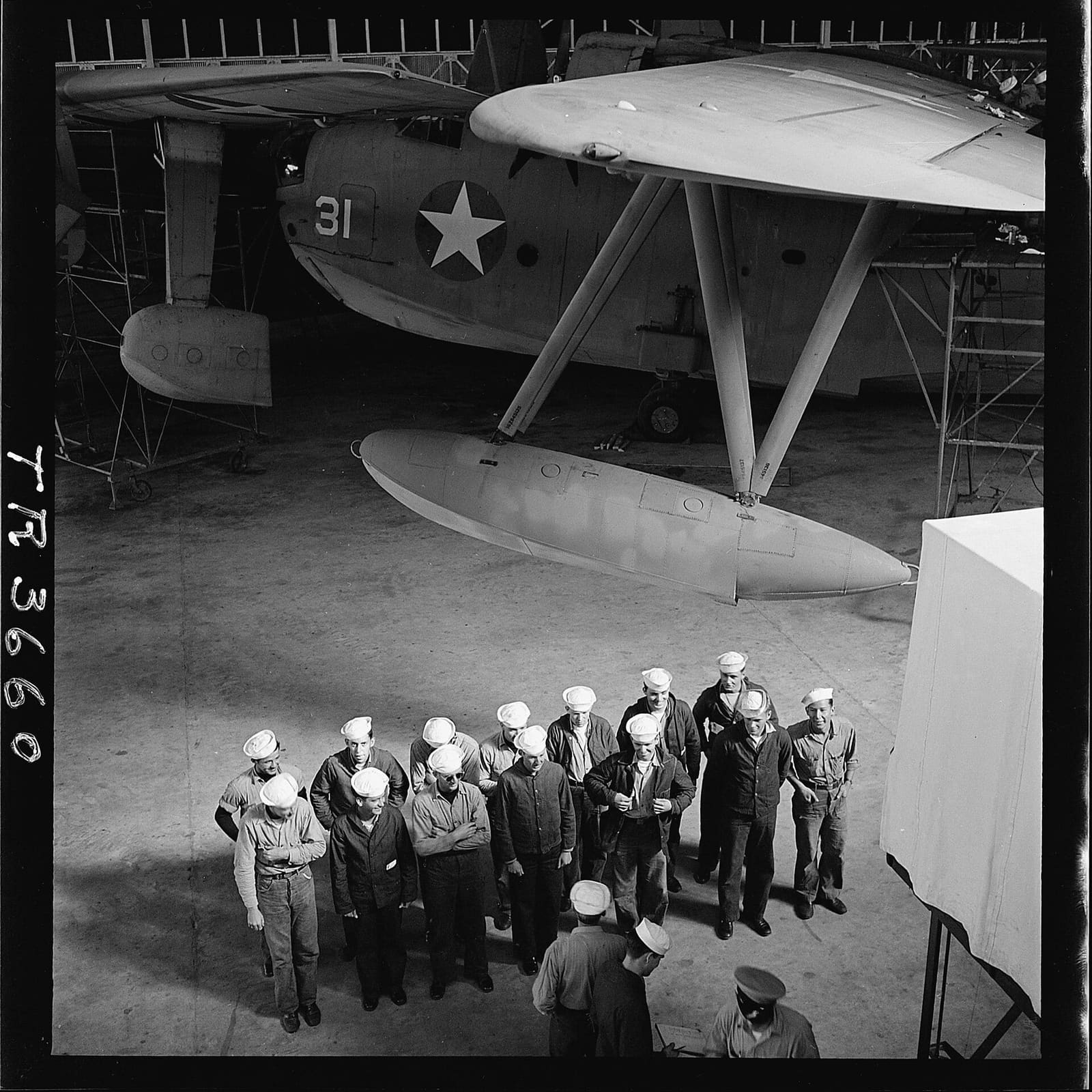
Wartime training operations produced a steady stream of crashes. The Naval History and Heritage Command lists at least 30 PBM Mariner losses traceable to NAS Banana River between 1942 and 1947, with combined fatalities exceeding 100. Most were training accidents, engine failures on takeoff, controlled flight into water on night ops, mid-air collisions during formation training. A handful were combat-related losses on Atlantic patrol that didn’t return to base.
The most famous loss happened postwar. On December 5, 1945, a PBM Mariner from NAS Banana River, on a search mission for the missing Flight 19 (the lost Avengers from NAS Fort Lauderdale that became the founding incident of the “Bermuda Triangle” mythology), exploded in mid-air northeast of the base. All 13 men aboard were killed. The Navy’s investigation concluded the explosion was probably a fuel-vapor ignition; PBMs had a known issue with fuel leaks. The loss feeds the Bermuda Triangle myth to this day, though the prosaic explanation is the documented one.
Postwar handoff
The Navy had no postwar mission for Banana River. By 1947 the Atlantic patrol mission had wound down, the PBM was being phased out of service, and the Navy was concentrating naval aviation at the larger pre-war stations. NAS Banana River was placed in caretaker status in late 1947 and formally disestablished.
The site sat largely idle for two years. In 1949 the new Department of the Air Force, created by the National Security Act of 1947, needed a long-range missile test range. The Atlantic, accessible from the Cape, was the obvious testing area: long downrange tracks, scattered islands for instrumentation, low population density at launch. The Air Force took title to NAS Banana River in 1949, renamed it Patrick Air Force Base in 1950 (after Major General Mason Patrick, a World War I-era Air Service commander), and integrated it with the new Joint Long Range Proving Ground at Cape Canaveral.
The first launch from the Cape itself happened on July 24, 1950, when the Bumper 8 two-stage rocket (a V-2 first stage with a WAC Corporal second stage) was launched from Launch Complex 3. Patrick AFB provided the support infrastructure: housing for engineers, hospital, mess, the works. Without the station already in place at Banana River, Cape Canaveral would have been a much slower buildout.
What survives
A few structures from the NAS Banana River era are still standing on Patrick Space Force Base. Hangar 750, the largest of the original hangars, is still in active use. The original seaplane ramp area, now landfilled, is identifiable on aerial imagery as a rectangular bulge into the Banana River. The base hospital building has been heavily modified but the core structure dates to 1941.
The base cemetery contains graves of personnel killed in wartime training accidents at NAS Banana River. The cemetery, on the south side of the base, is maintained by the Space Force.
The NAS Banana River archive, base newspaper The Foghorn, official correspondence, training records, sits in the Naval History and Heritage Command holdings at the Washington Navy Yard. The Air Force Historical Research Agency at Maxwell AFB holds the post-1947 records. Florida Memory’s photo collection includes several hundred images from the war years.
What the place was
NAS Banana River in 1944 was a small Navy town in the middle of a barrier island that was otherwise scrub palmetto and sand pine. The base ran its own water system, its own power, its own mess hall, its own theater. The connection to the mainland was by ferry across the Banana River and then by bridge over the Indian River; the modern causeways did not exist. Crew members on liberty went to Eau Gallie, Cocoa, or Cocoa Beach, all by ferry, all by appointment, all on a weekend pass.
The base produced no famous combat pilots, no celebrated heroes, no major military innovations. It did the dull, dangerous, important work of anti-submarine patrol, which is what the Atlantic theater needed in 1942-1943. That work, almost forgotten now, kept Florida-bound tanker traffic moving and the German U-boat campaign in the Caribbean from cutting off the eastern seaboard’s fuel supply.
When the rockets started flying ten years later, they used the same hangars to assemble, the same runway for the aircraft that delivered the parts, and the same town to house the engineers. The space program inherited the base intact. None of it would have been there without the seven-year war that preceded it.
Further Reading
As an Amazon Associate we earn from qualifying purchases.