The Indian River Lagoon Ecosystem
The Indian River Lagoon is the most biodiverse estuary in North America, with over 4,300 documented species. It's also collapsing, with seagrass loss, algal blooms, and manatee mortality at unprecedented levels.
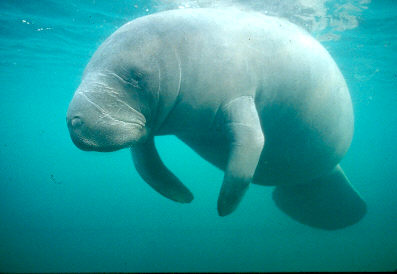
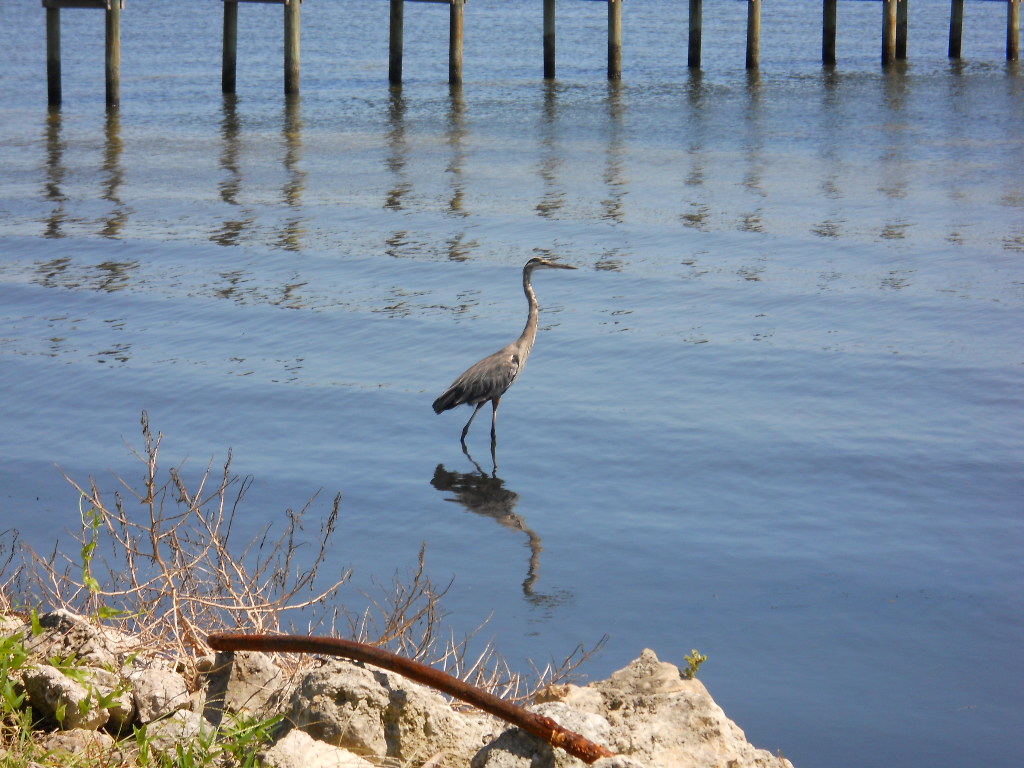
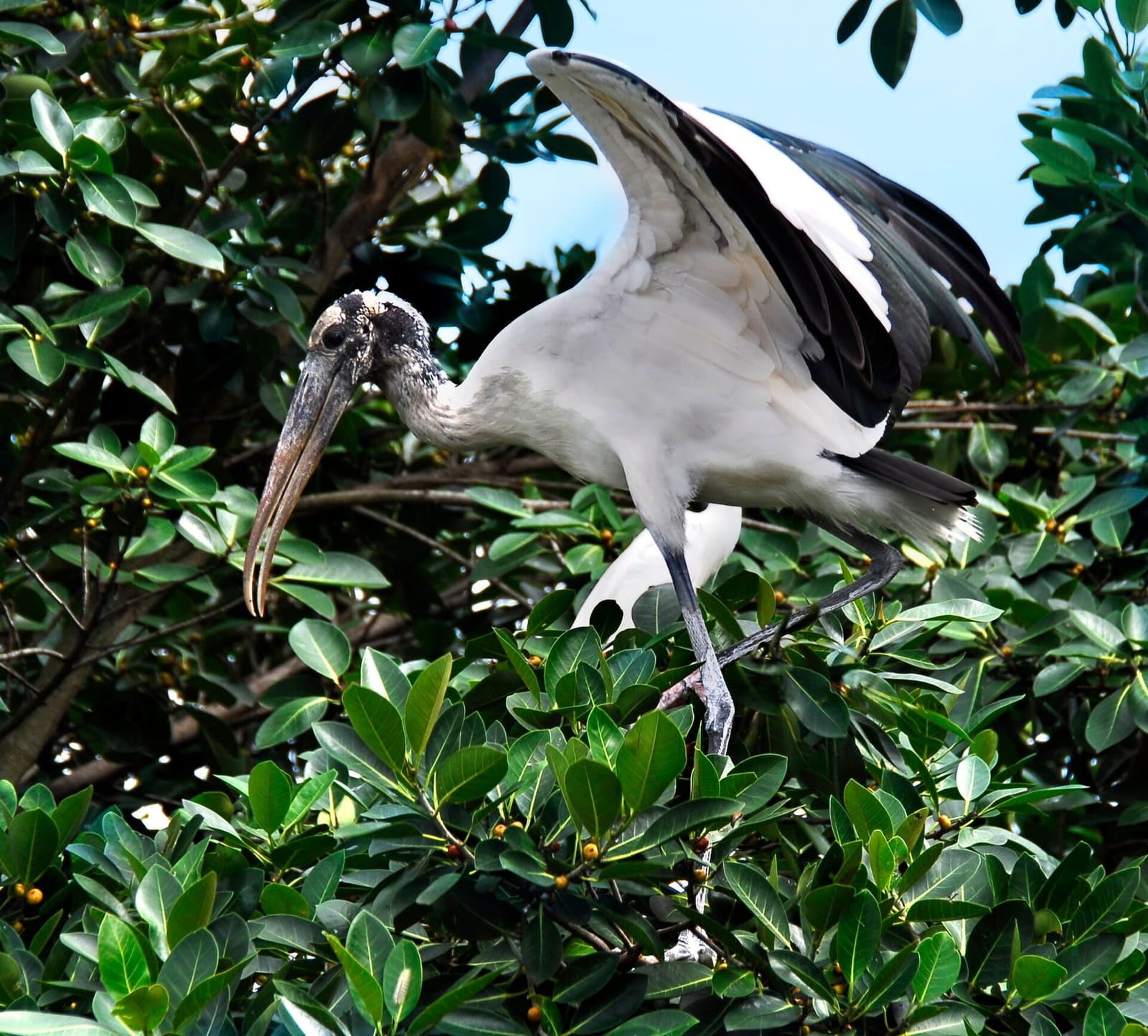
The Indian River Lagoon is the most biodiverse estuary in North America. Scientific surveys compiled by the Indian River Lagoon Council document over 4,300 plant and animal species using the lagoon over the course of a year. That includes about 3,000 invertebrate species, 800 fish species (more than any other US estuary), 310 bird species, 50 mammal species, and 28 reptile species.
It is also, by 2026, an ecosystem in well-documented collapse.
Why so many species
The lagoon’s biodiversity is a function of three overlapping properties:
- Length. The lagoon runs 156 miles along Florida’s east coast, from Ponce Inlet south to Jupiter Inlet. That length crosses two distinct climate zones, temperate north, subtropical south, so species ranges overlap in the lagoon’s middle that don’t overlap anywhere else in North America.
- Connectivity. The lagoon connects to the Atlantic through five major inlets (Ponce, Sebastian, Fort Pierce, St. Lucie, Jupiter) and several minor passes, mixing marine and brackish species. Marine species use the lagoon as a nursery; estuarine species spend their entire lives there.
- Habitat variety. The lagoon contains mangrove forests, seagrass meadows, oyster reefs, salt marshes, mud flats, hard-bottom rocky areas, and open water, all within a single 156-mile system. Each habitat supports different assemblages of species.
Estuaries in general are the most productive habitats on Earth by primary biomass. The IRL has been studied longer and more comprehensively than most US estuaries (continuous research presence since the 1950s, multiple permanent research stations operated by Florida Tech, the Smithsonian Marine Station, Harbor Branch Oceanographic Institute, and others), so the species count is more complete than for less-studied lagoons.
The seagrass collapse
Seagrass meadows are the foundation of the lagoon ecosystem. Manatees eat them. Fish nurseries exist in them. Crabs, shrimp, and shellfish depend on the structural complexity they provide. The IRL historically held over 80,000 acres of seagrass, primarily turtle grass (Thalassia testudinum), shoal grass (Halodule wrightii), and manatee grass (Syringodium filiforme).
Aerial mapping by the St. Johns River Water Management District documents the long decline:
- 1986: roughly 79,000 acres of seagrass
- 2011: roughly 51,000 acres (just before a major die-off)
- 2017: roughly 30,000 acres
- 2021: under 16,000 acres
The 80 percent loss over 35 years is driven by chronic nutrient over-enrichment. Septic systems leaching into groundwater, fertilizer runoff from coastal lawns and former grove land, stormwater runoff from urbanized barrier-island streets, and the gradual filling of natural drainage channels have all increased nitrogen and phosphorus loading. The nutrients fuel algal blooms. The blooms reduce water clarity. The seagrass, requiring sunlight to photosynthesize at lagoon depths, dies. Once dead, the seagrass beds are slow to recover, because the sediment becomes destabilized and re-suspends in the water column, perpetuating the low-clarity condition.
The manatee mortality
The lagoon’s manatee population has been the most visible casualty. Florida’s manatee population (statewide) is roughly 7,500-8,500 animals. The IRL hosts roughly 800-1,200 manatees seasonally, mostly during winter when warm-water refugia at FPL power plant discharge canals concentrate the population.
Manatees eat seagrass primarily. When the IRL seagrass crashed in 2011-2013 and again in 2018-2021, the manatee population had nowhere to feed. Florida Fish and Wildlife Conservation Commission recorded over 1,100 manatee deaths in the IRL region in 2021, roughly 13 percent of the entire state population in one year, the worst single-year manatee mortality ever recorded. The federal government declared an Unusual Mortality Event in 2021 and has provided supplemental feeding (cabbage and lettuce dropped by airboat) at warm-water refuges since 2022.
Manatee mortality dropped to roughly 700-800 in 2023 and 2024, partly because the supplemental feeding worked and partly because the population had already lost the weakest animals in the 2021 die-off.
The harmful algal blooms
The lagoon experiences recurring harmful algal blooms driven by the same nutrient over-enrichment that’s killing the seagrass. The dominant blooming species include the dinoflagellate Aureoumbra lagunensis (responsible for the “brown tide” events in the northern lagoon since 2012) and various cyanobacteria including Microcystis and Pyrodinium species.
The 2011 “Super Bloom” was the first widely documented multi-species bloom event. It killed roughly 60 percent of the remaining 2011 seagrass and set up the cascading decline of the following decade. The 2016 “brown tide” closed shellfish harvesting and damaged commercial fish populations. The 2018 bloom triggered fish kills numbering in the millions.
The blooms are not natural cycles. Sediment cores taken across the lagoon by Florida Tech researchers show pre-1950 nutrient levels roughly half of current levels, and bloom-frequency records show essentially no documented major blooms before 1960.
The political and engineering response
Local and state response has been chronically underfunded relative to the problem scale:
- Septic-to-sewer conversion programs in Brevard, Indian River, St. Lucie, and Martin counties have been running since 2010, but progress is slow. As of 2024, roughly 80,000 septic systems still discharge into the lagoon watershed.
- Stormwater retrofits are mandated for new construction but rarely retroactive on existing development.
- Indian River Lagoon Council, a regional council formed in 2015, coordinates research and policy across the five counties bordering the lagoon. Annual budget remains under $20 million, against a needed investment estimated by the council at $5-7 billion to address the underlying nutrient loading.
- Save Our Indian River Lagoon sales tax surcharge, passed by Brevard County voters in 2016 (renewed 2024), provides roughly $50 million per year for muck dredging, septic conversion, and stormwater improvements. The program is the largest single-county lagoon-restoration investment in Florida history.
Whether any of this restores the lagoon depends on whether the nutrient loading reductions can outpace the legacy pollution stored in the sediment, which slowly releases nutrients back into the water column. Most modeling suggests substantial recovery is possible by 2050 if loading is cut roughly in half from current levels, but pessimistic scenarios show the lagoon stabilizing at roughly its 2021 condition indefinitely.
What matters historically
The lagoon supported the Ais people for 1,500 years before European contact, sustained the lagoon-coast settlements that became Cocoa, Rockledge, Eau Gallie, and Melbourne, fueled the citrus and pineapple economy that the railroad bootstrapped, and absorbed the space program’s effluent without major degradation through the 1960s. The fact that it could not absorb the post-1980 residential and agricultural intensification is the regional environmental story of the late 20th and early 21st centuries.
The seagrass that filtered the lagoon water is the same seagrass that fed the manatees that drew the wildlife tourism that gave the region its current environmental identity. When the seagrass goes, the manatees go, the fish populations go, and the regional brand goes with them. The Save Our Indian River Lagoon tax is, fundamentally, the county putting up money to keep its own identity intact. Whether it’s enough is the test.
Further Reading
As an Amazon Associate we earn from qualifying purchases.