The 1962 Freeze and the Long Collapse of Brevard Citrus
The December 1962 freeze killed most of Brevard's inland citrus and started the trend that ended the industry. By the late 1980s the last commercial packing house was closing.
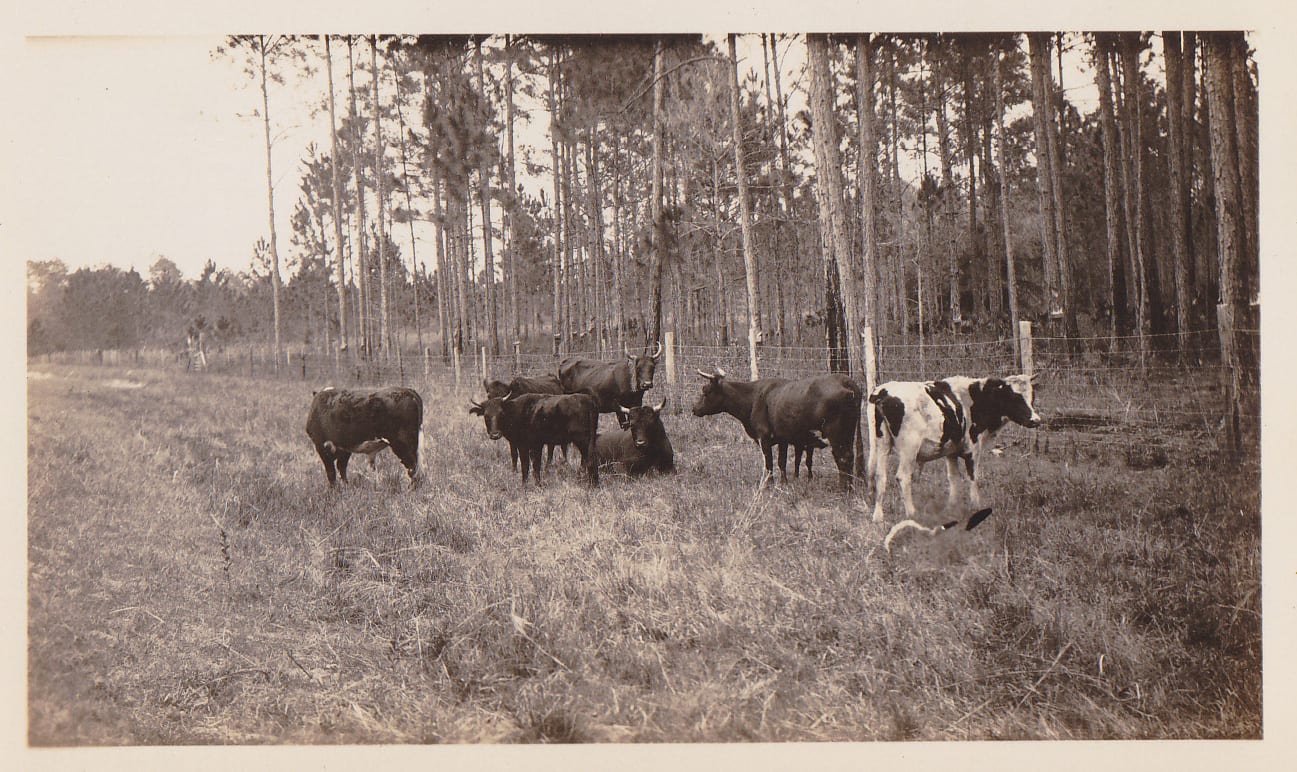
The freeze hit on the night of December 12-13, 1962. Temperatures in Mims dropped to 18°F. Cocoa recorded 22°F. Titusville recorded 19°F. The mid-county groves, the ones farthest from the moderating influence of the Indian River, lost trees by the thousand. Brevard’s citrus industry never fully recovered.
The 1962 freeze did not destroy Florida citrus the way the 1894-95 freezes had. Total Florida production rebounded within five years. But it did break the Brevard citrus belt specifically, by killing trees in the inland groves that had been most productive and most exposed.
The damage by location
Brevard’s citrus geography in 1962 was concentrated in three areas:
- The inland belt: a corridor running roughly from Mims south through Scottsmoor, Cocoa, Rockledge to Eau Gallie, mostly west of US 1 and east of the St. Johns River drainage. This was the largest grove area in the county. Total damage in this belt averaged 60 to 80 percent tree mortality.
- The lagoon-shore groves: a narrower band along the western shore of the Indian River, benefiting from lagoon thermal mass. Damage averaged 30 to 40 percent.
- The south county area: groves around Palm Bay, Malabar, and Grant. Mixed damage, varying with proximity to the lagoon. Average 40 to 50 percent mortality.
The damaged trees did not all die immediately. Many lost their crowns but resprouted from the trunk or roots in spring 1963. Growers facing the choice of waiting three to five years for a damaged tree to regenerate productive bearing versus replanting from scratch, many chose replanting where they could afford it. Where they could not, the groves were sold.
The economic pressures behind the sale decisions
Two pressures specific to Brevard accelerated the post-1962 sell-off:
Land prices. The space program had pushed Brevard land values up sharply through the late 1950s and 1960s. A grove acre that sold for $400 in 1955 was selling for $4,000 by 1965. The math of replanting after a freeze, roughly $1,500 to $2,500 per acre in tree, labor, and waiting-for-bearing costs in 1963 dollars, only made sense if the land was going to stay in citrus indefinitely. Many growers calculated that selling to a residential developer made more financial sense than rebuilding.
The Cuban embargo aftermath. US growers had over-expanded in 1960-61 to fill the supply gap created by the 1959 Cuban revolution and the 1960 embargo. By 1962 the Florida industry was facing oversupply concerns. The freeze, by removing roughly 12 percent of statewide acreage, partially solved the oversupply problem and held prices steadier than they would have been. That helped surviving growers but did not give marginal growers a reason to rebuild.
Brevard grove acreage declined steadily through the 1960s and 1970s. By 1980 the county had roughly 8,500 acres in citrus, down from 16,500 in 1960. By 1990 it was below 5,000 acres. By 2000 it was under 1,500.
The 1989 freeze finishes the work
The December 23-24, 1989 freeze was the most severe Florida citrus event of the post-1962 era. Temperatures in Titusville reached 17°F. Cocoa recorded 19°F. The lagoon-coast groves that had survived 1962 lost 50 to 70 percent of their trees in 1989.
For most remaining Brevard growers, 1989 was the breaking point. The combination of repeat freezes, declining grove acreage, citrus canker quarantine costs, and the long shadow of citrus greening disease (which began arriving in Florida in the mid-1990s) made the case for staying in citrus financially marginal.
The Indian River Citrus League packinghouse in Mims, the last large commercial citrus operation in Brevard, closed in the mid-1990s. A handful of small U-pick operations and family groves continue today, but commercial production in any meaningful sense ended with the Mims closure.
What replaced the groves
The post-1962 grove sell-off in Brevard fed three different end uses:
- Residential subdivision, particularly in Palm Bay and West Melbourne, where General Development Corporation and other postwar platting companies acquired large grove tracts and converted them to housing lots. Palm Bay’s explosive growth from 800 residents in 1960 to over 100,000 by 2000 happened largely on former grove land.
- Commercial and industrial development, particularly along the SR 528 corridor and the US 1 strip, where former grove land became big-box retail, light industrial, and warehousing.
- Conservation acquisition, mostly in the post-1989 period. The St. Johns River Water Management District and the Brevard Environmentally Endangered Lands Program acquired thousands of acres of former grove land for water conservation and habitat, partly in recognition that the grove acreage had been an environmental compromise (heavy water use, fertilizer runoff into the lagoon) that the post-citrus era could correct.
What citrus traces remain
The grove infrastructure was not entirely demolished. Driving the inland US 1 corridor and the back roads west of I-95 today, the citrus heritage is visible in scattered ways:
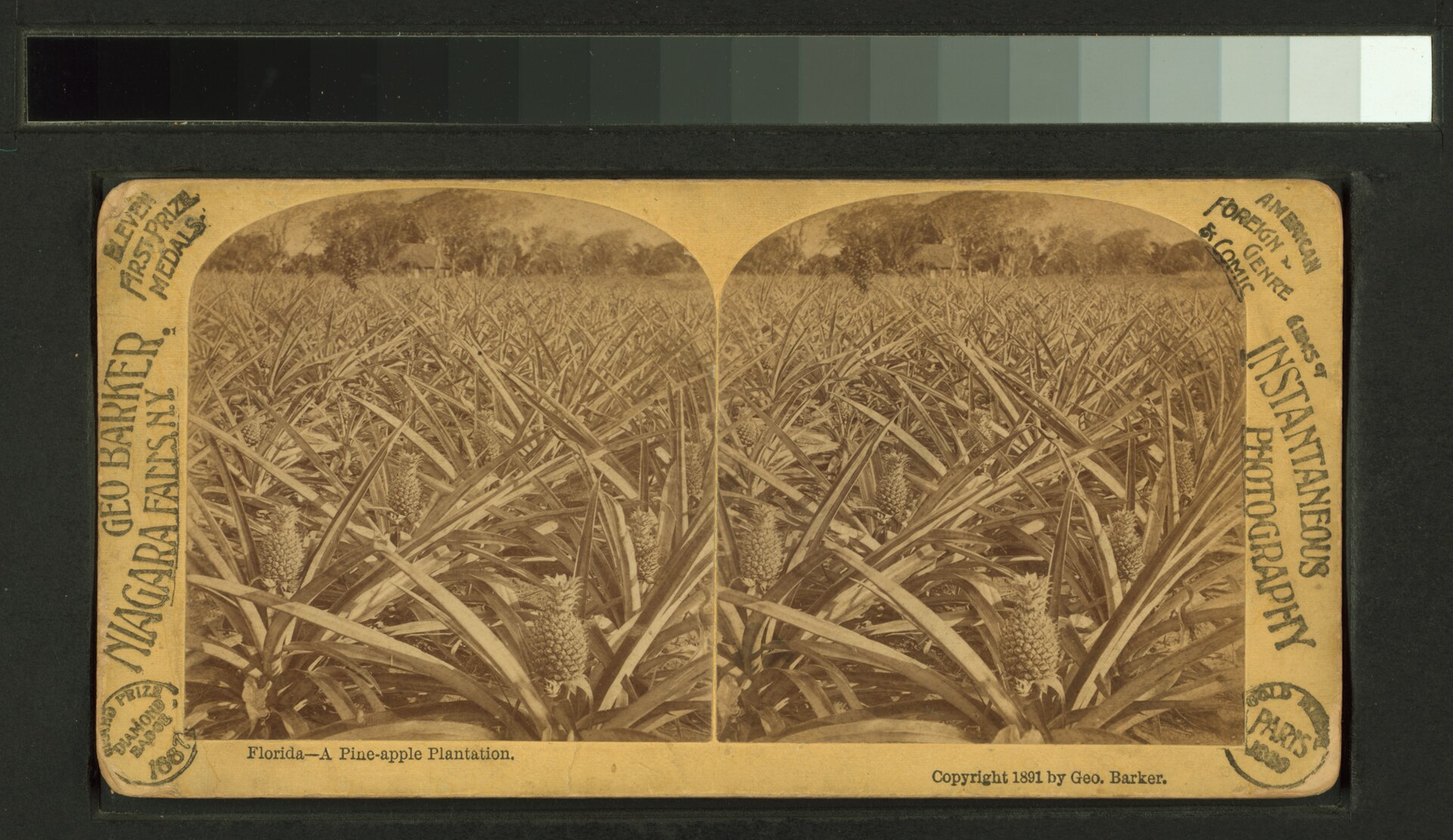
- Many older subdivision streets still carry citrus-era names: Orange Avenue, Grove Park, Pineapple Avenue, Sebastian Boulevard (the Sebastian inlet area was historically a Brevard pineapple-and-citrus center before 1925 boundary changes moved it into Indian River County).
- The Indian River Citrus Museum in Vero Beach, just south of Brevard, holds the regional historical record. Many of the artifacts came from defunct Brevard packinghouses.
- A few mature grapefruit and orange trees still stand in older Brevard residential yards, often pre-1962 plantings that survived in microclimates close to houses.
- The pole-and-wire freeze protection systems, overhead sprinkler arrays designed to coat trees in ice during freezes (counter-intuitively, the ice insulates the trees from sub-freezing air), are still visible at a few remaining commercial operations. Most have been salvaged for scrap.
The 1962 freeze was not the end of Florida citrus. Polk County, Highlands County, and the Indian River grapefruit district just south of Brevard remain productive citrus regions today (though all of them are now under heavy pressure from citrus greening). The 1962 freeze was specifically the end of Brevard citrus, because the regional alternative, land sales to the booming space-program economy, was uniquely available here and made the rebuild calculation untenable. The trees that didn’t survive the freeze were paying the price for the rockets that didn’t yet exist when the trees were planted in 1895. That’s the underlying logic of every Brevard transition: each industry inherits the geography of the last and inherits its specific kinds of vulnerability.
The 1894-95 inheritance
The 1962 freeze hit groves whose existence traced directly to an earlier freeze. The December 1894 and February 1895 Great Freezes had ended commercial citrus across Marion, Lake, Orange, and Volusia counties, dropping Florida’s total citrus production from approximately 6 million boxes in the 1893-94 season to 100,000 boxes in 1895-96, with statewide production not recovering to even 1 million boxes until 1901. Land values across the old citrus belt collapsed from roughly $1,000 per acre to as low as $10 per acre. Whole communities, including Earnestville in Volusia County, were abandoned. The growers who could afford to move bought land in Brevard, St. Lucie, and the area that would later become Indian River County.
That migration is the reason the inland Mims-Scottsmoor-Cocoa belt existed at all in 1962. Most of those groves had been planted between 1896 and 1915 by growers fleeing the 1894-95 destruction, on the assumption that the lagoon-coast latitude (most of Brevard sits below 28.5 degrees north) would protect them from another belt-killing freeze. For 67 years, through the freezes of 1899, 1934, 1947, and 1957, that bet held. The 1962 event broke the assumption. Brevard had become the new northern frontier of viable Florida citrus in 1895 and lost that status to a single December night sixty-seven years later.
The Indian River brand, then and now
The “Indian River” geographic indication for citrus, established by USDA federal marketing order in 1941, originally covered a strip from Volusia County south through Brevard, Indian River, St. Lucie, Martin, and Palm Beach counties. The label commands premium prices in the fresh-fruit market, primarily for grapefruit, because the lagoon-influenced microclimate produces juicier fruit with thinner rinds than inland-Florida or California production. The federal marketing order is still in force.
What changed after 1962 is that the “Indian River” label is now essentially Indian River and St. Lucie County production. Brevard’s share of the protected Indian River acreage was approximately 30 percent in 1960; by 2000 it was under 5 percent; today it is under 1 percent of the total. The marketing order still includes Brevard geographically. The orchards to back it up are mostly gone. The premium grapefruit shipping out of Vero Beach and Fort Pierce still trades on the Indian River name, but the lagoon water now influencing the fruit is south of the county line.
The space-program math, in dollars
The 1965 land-price ratio that drove the post-freeze sell-off is worth stating in unit-economics terms. A 40-acre grove producing in a good year earned approximately $400 per acre net (roughly $16,000 per year in 1965 dollars) after picking, shipping, packing, and grove-care costs. The same 40 acres sold as residential subdivision in Palm Bay or West Melbourne at $4,000 per acre realized $160,000 in cash. That single sale exceeded ten years of grove income. After replanting costs of $1,500 to $2,500 per acre, replant time of three to five years until first commercial bearing, and the looming risk of another freeze, almost no grove owner facing a 60 to 80 percent tree-mortality 1962 freeze chose to rebuild. The math did not work.
That math is also why Polk County, Highlands County, and the Indian River district stayed in citrus through the same period: land prices in those areas did not have the space-program premium attached. A Polk County grove acre in 1965 sold for $600 to $1,200, not $4,000. The replant calculation produced a different answer because the residential development alternative was not available at the same price. Brevard’s citrus collapse, the 1962 freeze plus the post-freeze sell-off, is a story of two events that hit at the same time and that would have produced a different outcome separately.
Further Reading
As an Amazon Associate we earn from qualifying purchases.