Writing
Notes, essays, and research from Old Space Coast.
- About
What Old Space Coast means
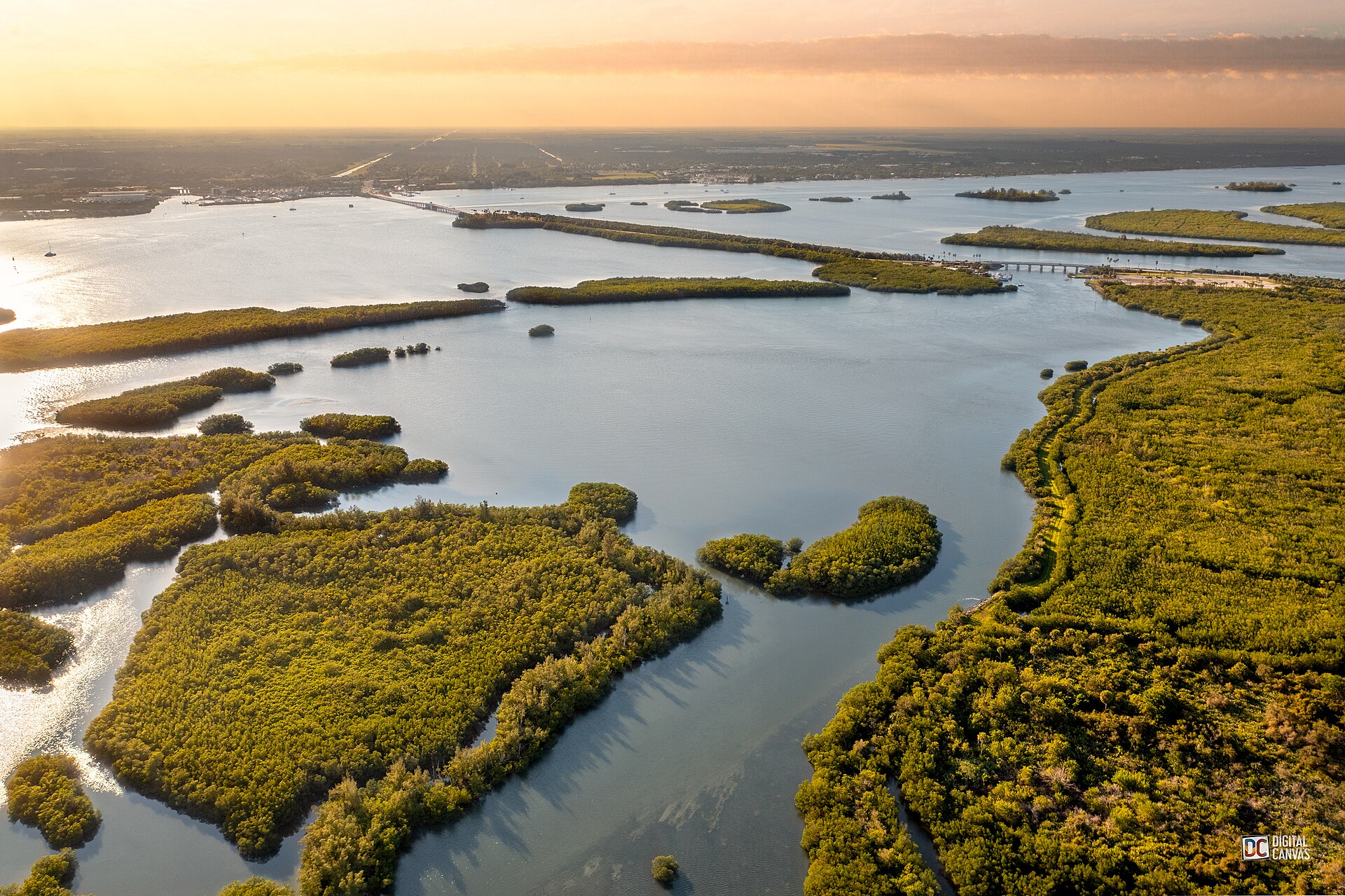
What this site covers: the history of Brevard County that crosses town lines, from the Ais and Mosquito County through the railroads, the freeze, the Moores and the space boom, to the lagoon.
- County history
Why Titusville Is the County Seat (and Not Cocoa or Melbourne)
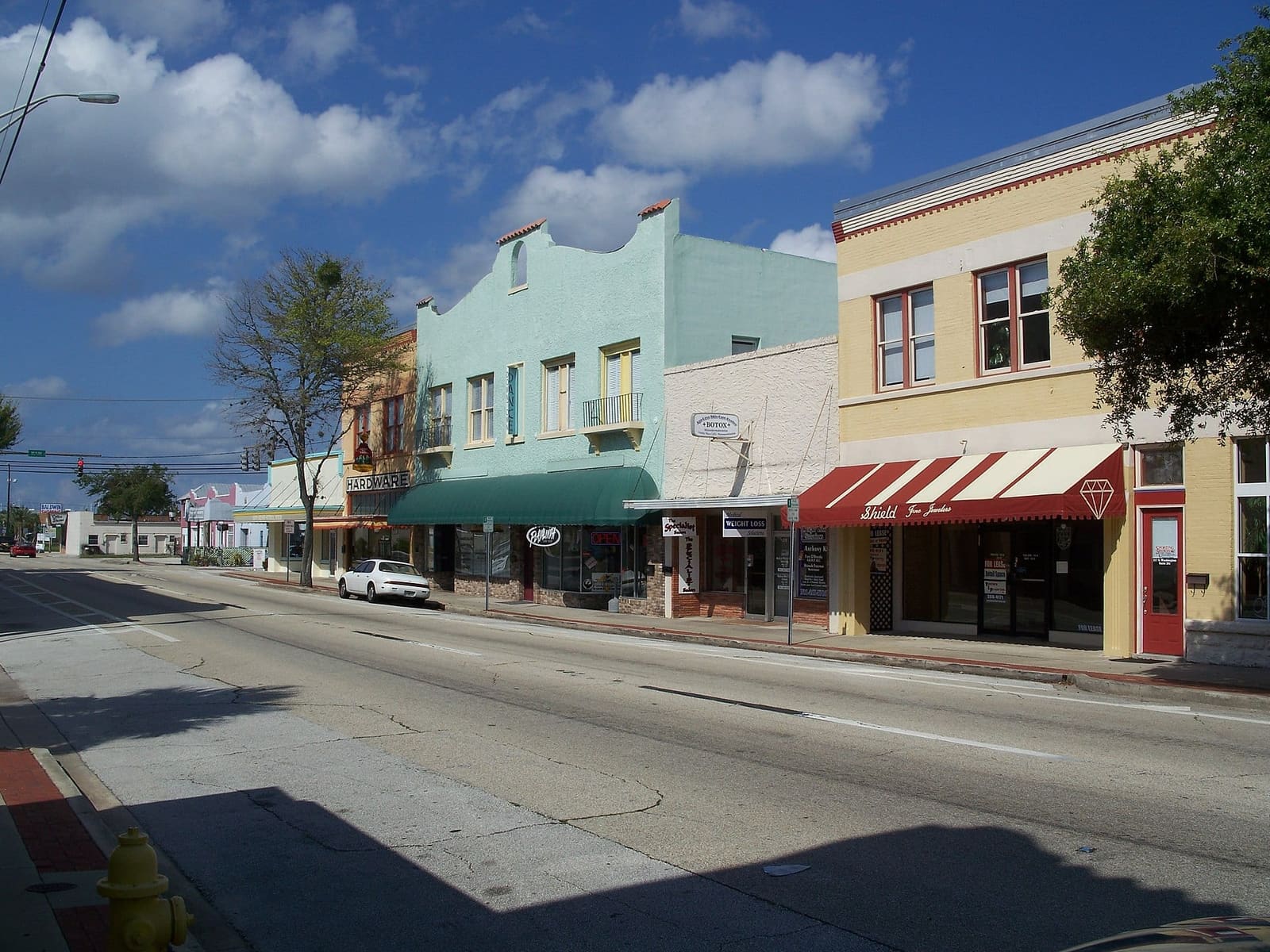
Brevard's county seat has been in Titusville since 1879, when voters chose it over Eau Gallie and Rockledge after Brevard annexed the town from Volusia County. Cocoa was never on the ballot, and Melbourne's piece of the story is Eau Gallie.
- County history
Mosquito County, 1824 to 1845, and the lagoon that kept the name
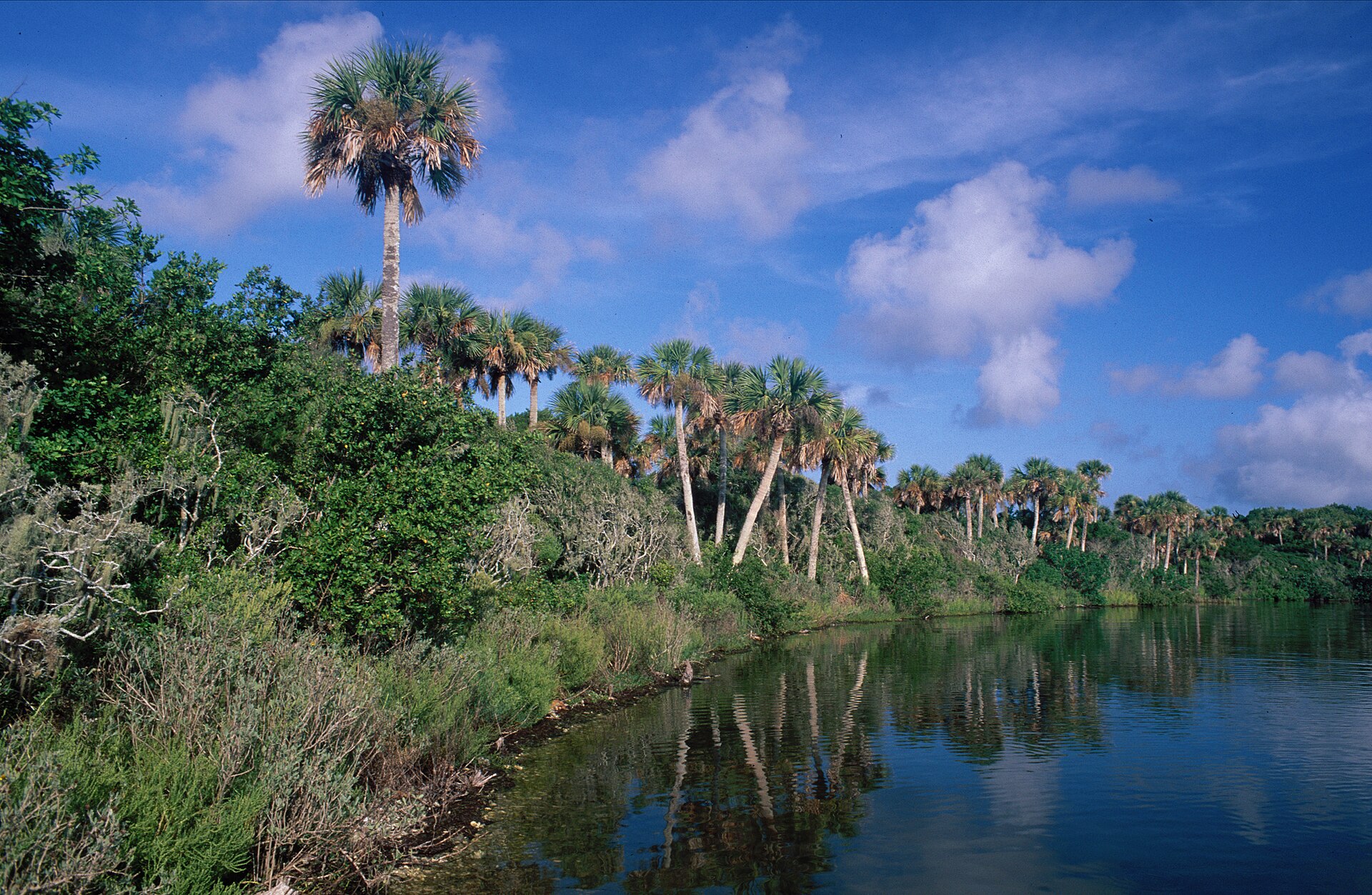
Florida's territorial council created Mosquito County on December 29, 1824. Its southern part became St. Lucie County in 1844, renamed Brevard in 1855; the rest became Orange County on January 30, 1845. The Mosquito Lagoon kept the old name.
- Civil rights
Harry T. and Harriette V. Moore, killed in Mims, Christmas 1951
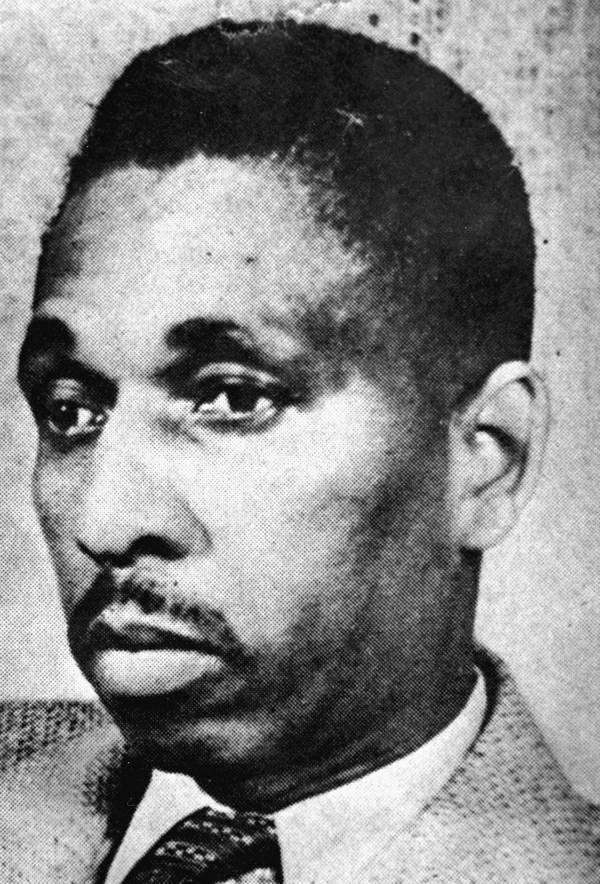
On December 25, 1951, a bomb under their Mims home killed Harry T. Moore, Florida's NAACP leader, and his wife Harriette, who died nine days later. Nobody was charged. In 2006 Florida's attorney general named four Klansmen, all dead, as the likely bombers.
- Civil rights
Black history in Brevard County: what the state's records hold
St. James Colored Missionary Baptist Church in Mims, organized in 1894; the Mims Colored Cemetery, bought in 1913; the Brevard NAACP, founded in 1934; John Gilbert's 1938 equal-pay suit, the first in the South; and the 1951 bombing that killed Harry and Harriette Moore.
- Transportation
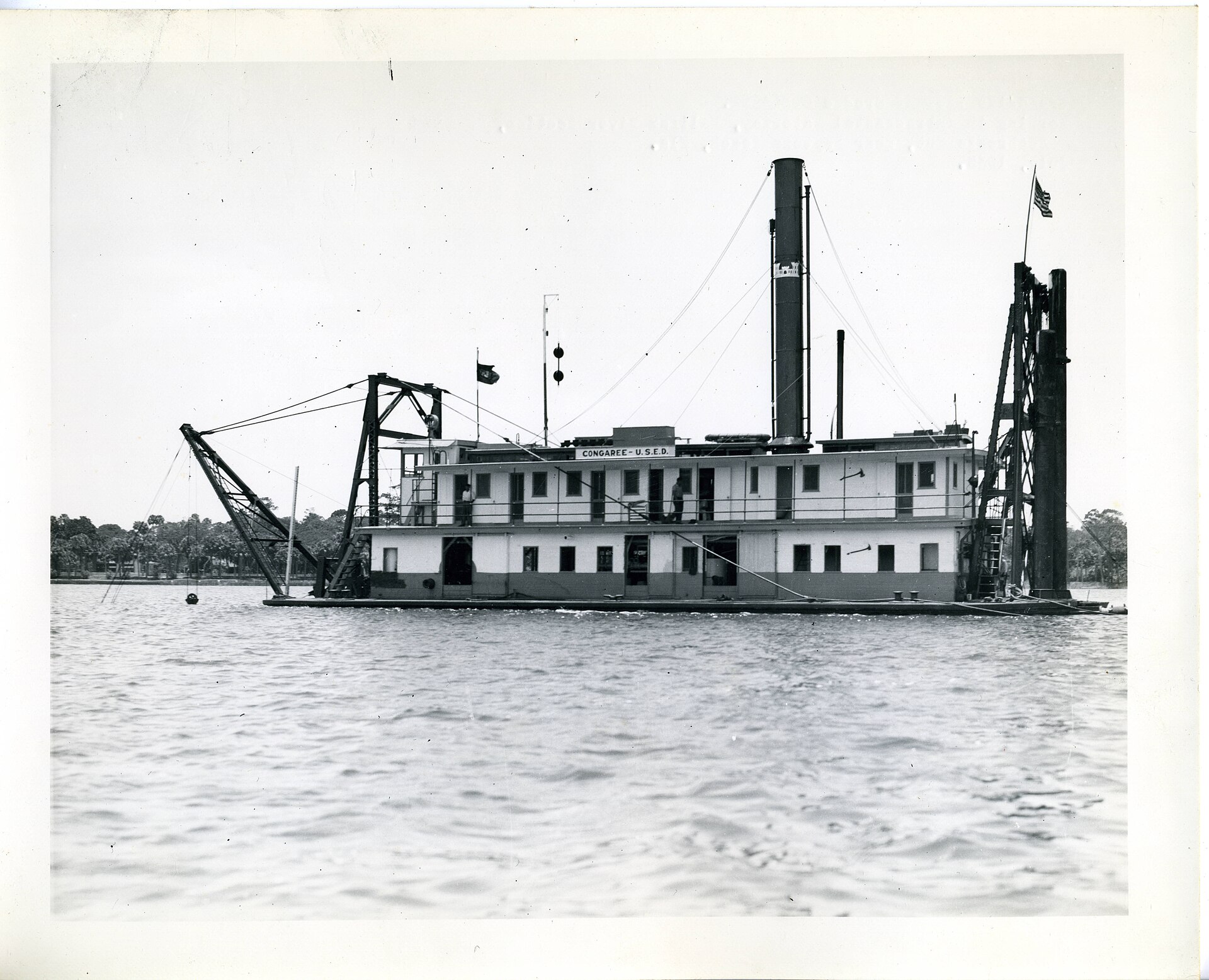
The Intracoastal Waterway through the Indian River: from toll canal to federal channel
The waterway that runs through Brevard's lagoons began as a private toll canal conceived in 1881. A 1920 federal survey called for a channel 8 feet deep and 70 feet wide; Congress authorized it in 1927, and the Florida Inland Navigation District was created that year to buy the old canal and sponsor the new one.
- Agriculture
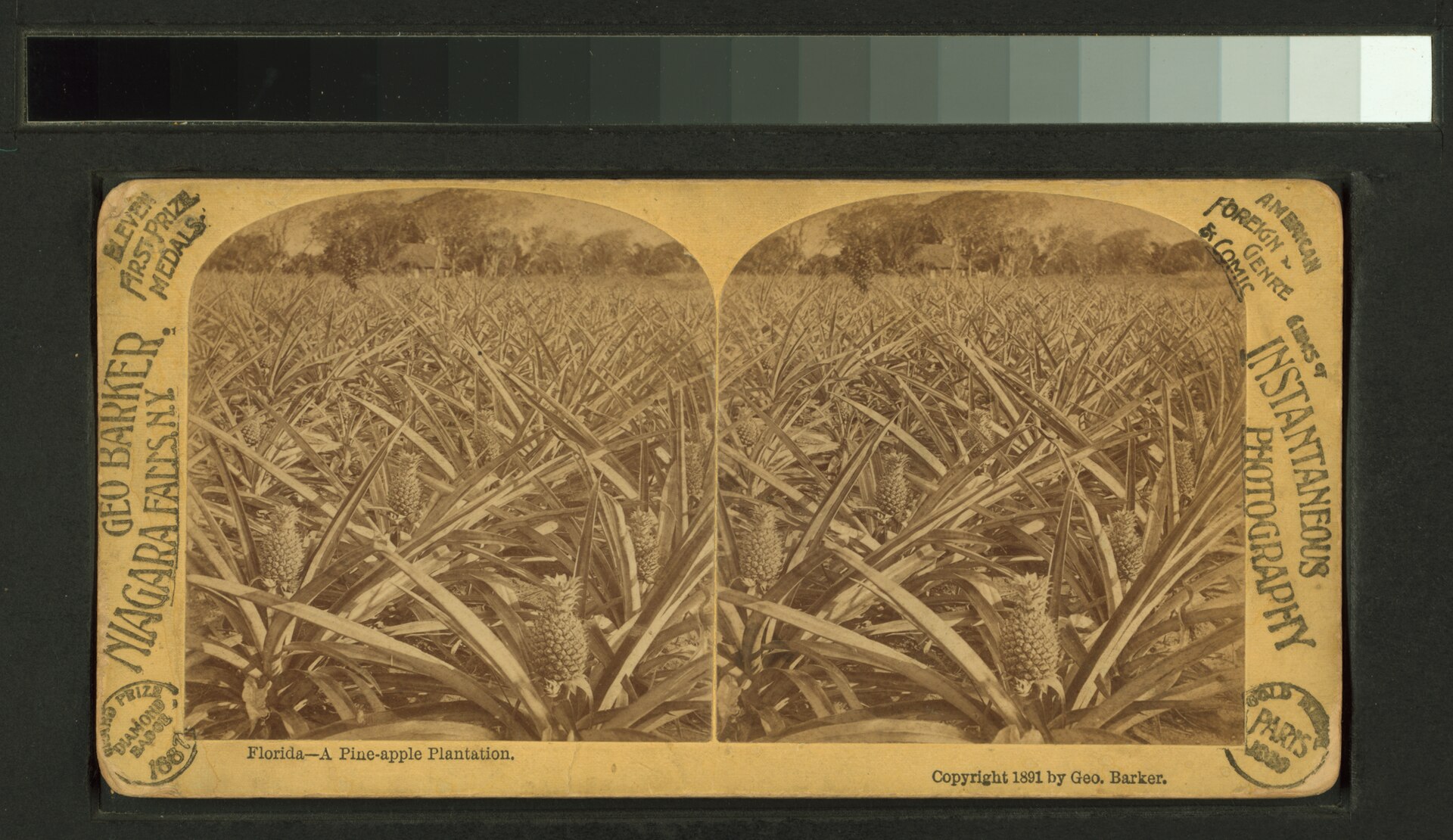
Fish, fruit and cattle: how Brevard made a living before the rockets
For most of its history, Brevard lived on what the National Park Service calls the backbone of the Indian River economy: fish, fruit and vegetables. Henry Titus shipped citrus and pineapples north, Rockledge growers organized in 1889, and by 1900 Brevard was again one of Florida's leading citrus counties.
- Natural history
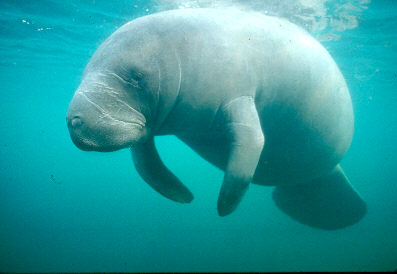
The Indian River Lagoon: 156 miles of estuary, and what the blooms did to it
The Indian River Lagoon is a 156-mile estuary cited as among the most biologically diverse in North America. In 2011 a superbloom cost it about 31,600 acres of seagrass in a few months, and from 2020 to 2022 starvation killed manatees on an unprecedented scale. What the agencies' own records show.
- Weather
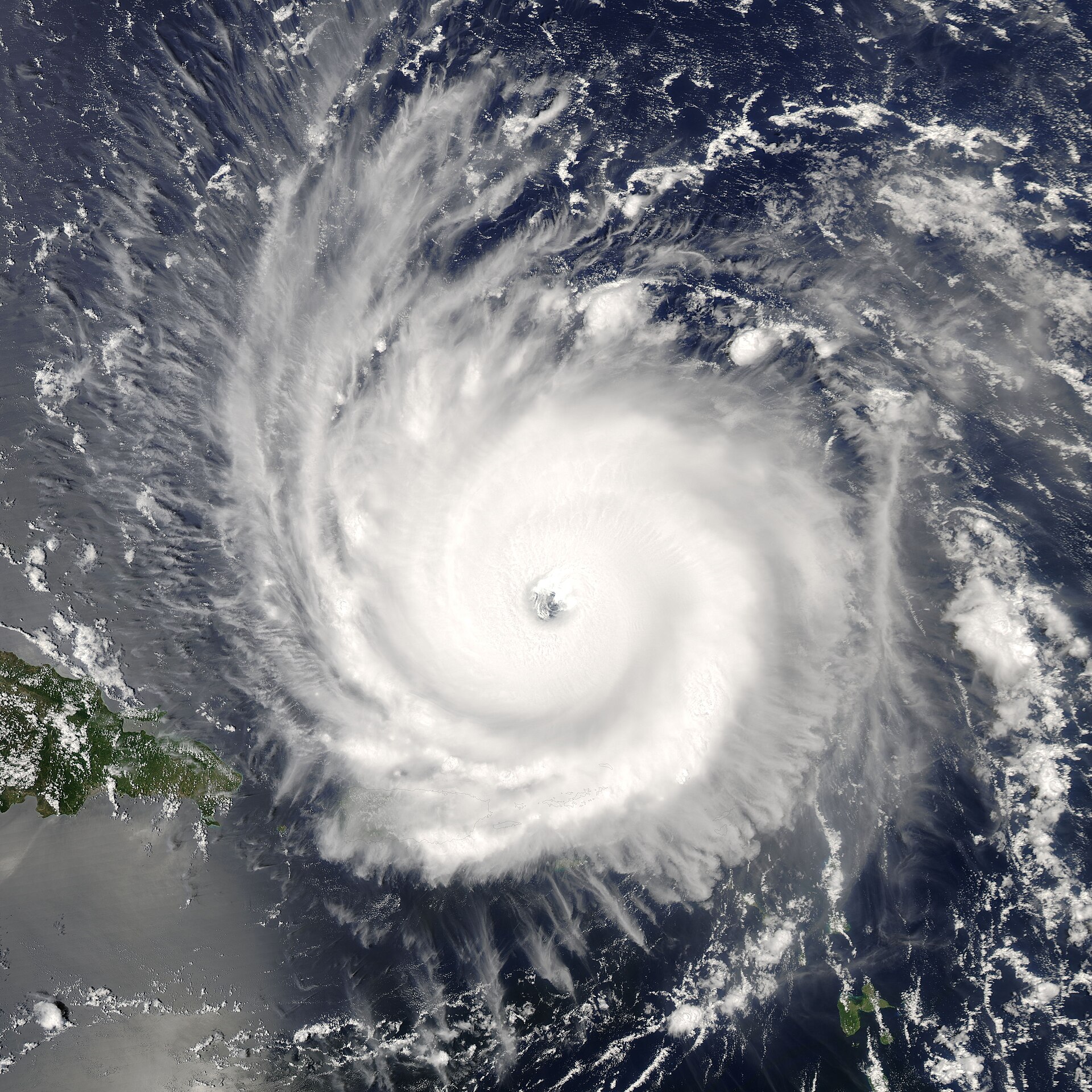
Hurricane History of Brevard County
The hurricanes that actually crossed or brushed Brevard: July 1926, August 1928, David in 1979, Erin in 1995, Frances and Jeanne in 2004, Matthew in 2016, Irma, Nicole and Milton. Tracks and damage from NOAA's best-track data and National Hurricane Center reports.
- Space program
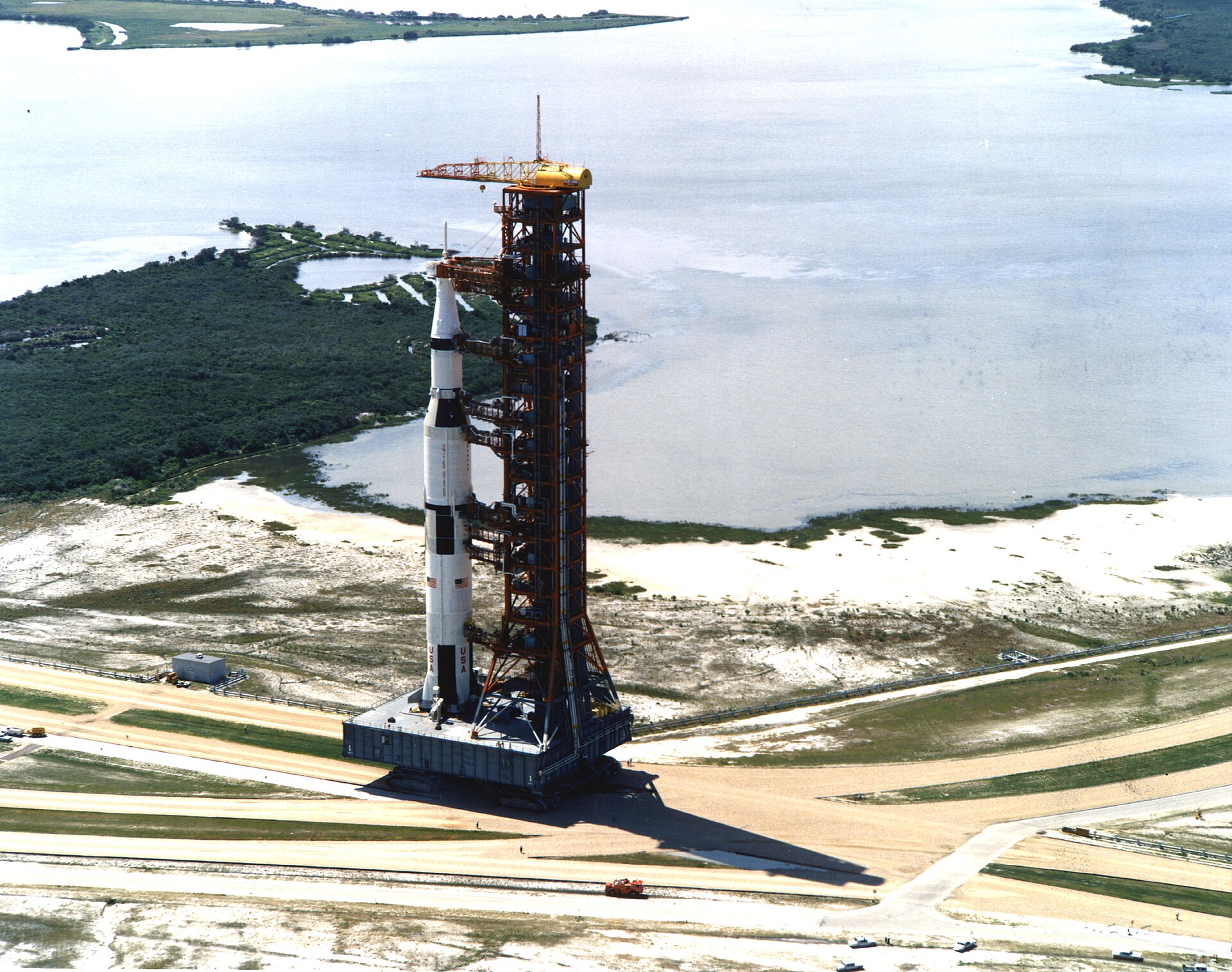
Brevard County in the space boom: 23,653 people in 1950, 230,006 in 1970
Brevard grew from 23,653 people in 1950 to 111,435 in 1960, the fastest-growing county in the United States that decade, and to 230,006 by 1970. Then growth stalled. What the census and a 1966 study for NASA show about the boom and what followed Apollo.
- Branding
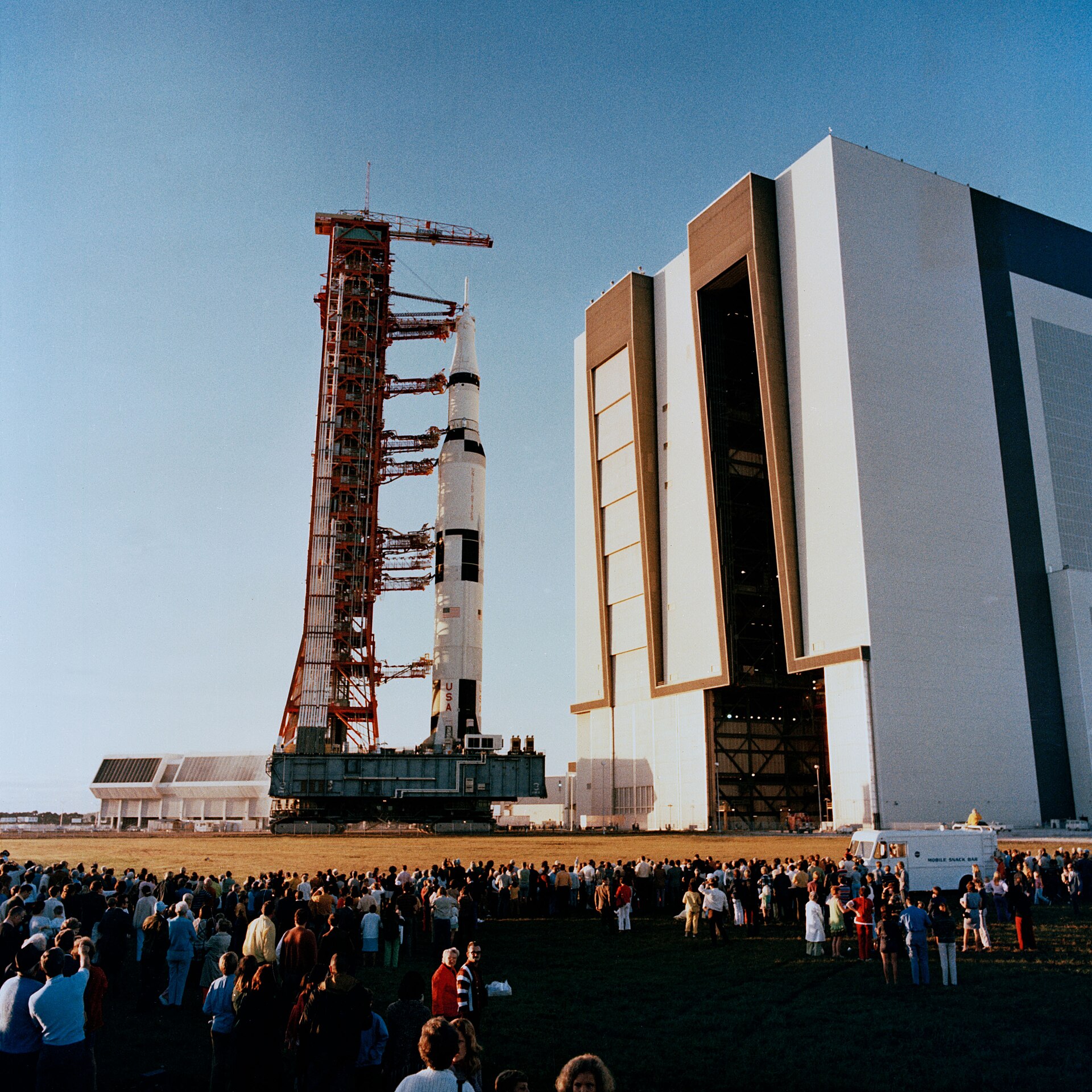
When did Brevard become the Space Coast?
By the mid-1960s, the State Archives of Florida says, "space coast" was widely used by realtors and advertisers for the Atlantic coast from Daytona Beach to Fort Pierce. Before that Titusville was "the Missile City," and the towns each had a slogan of their own.
- Space program
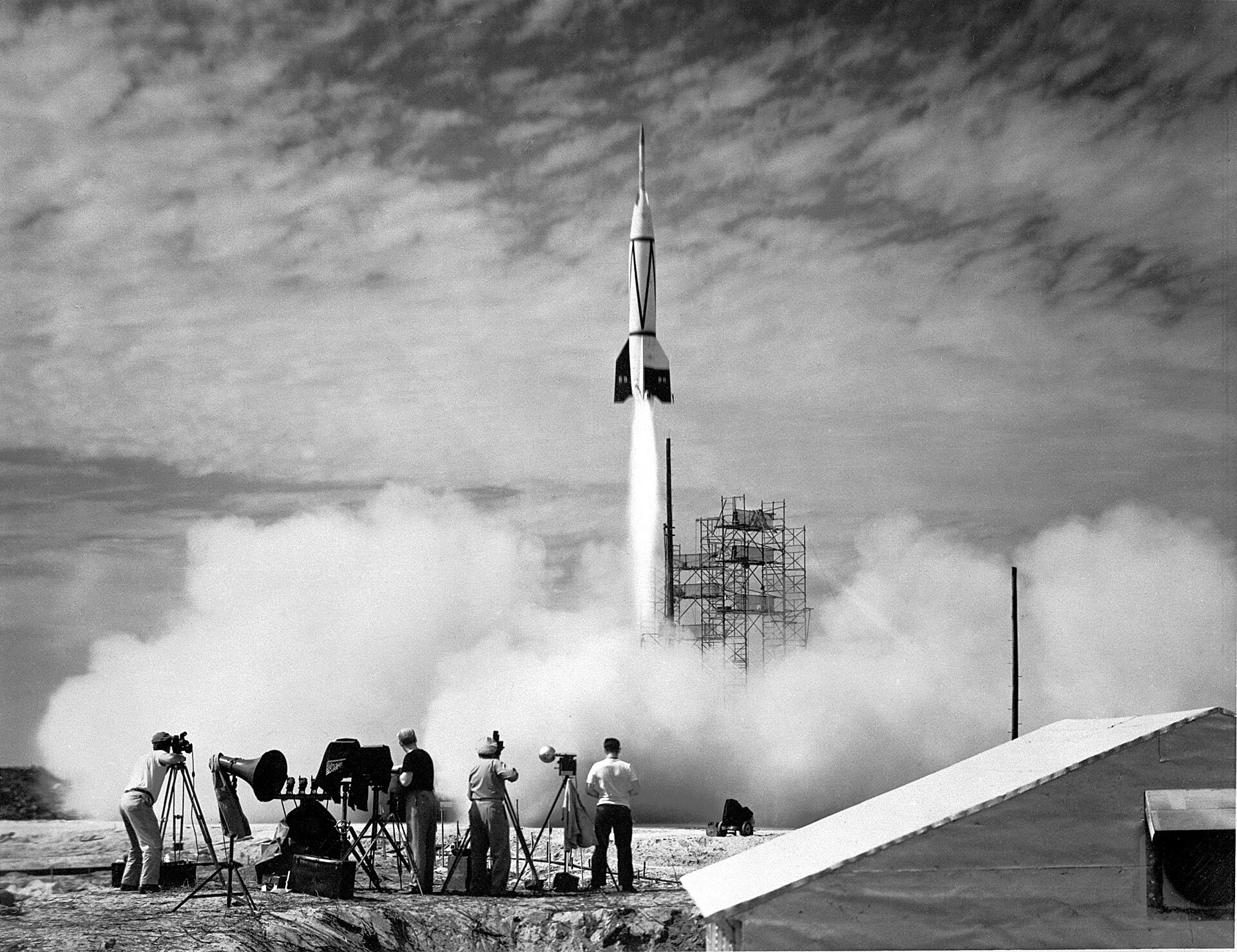
Bumper 8 and the first launch from Cape Canaveral, July 24, 1950
The first rocket launched from Cape Canaveral was Bumper 8, a captured German V-2 topped with an American WAC Corporal, on July 24, 1950. Its upper stage separated but never fired. What NASA's own history records about the launch and the program behind it.
- Military
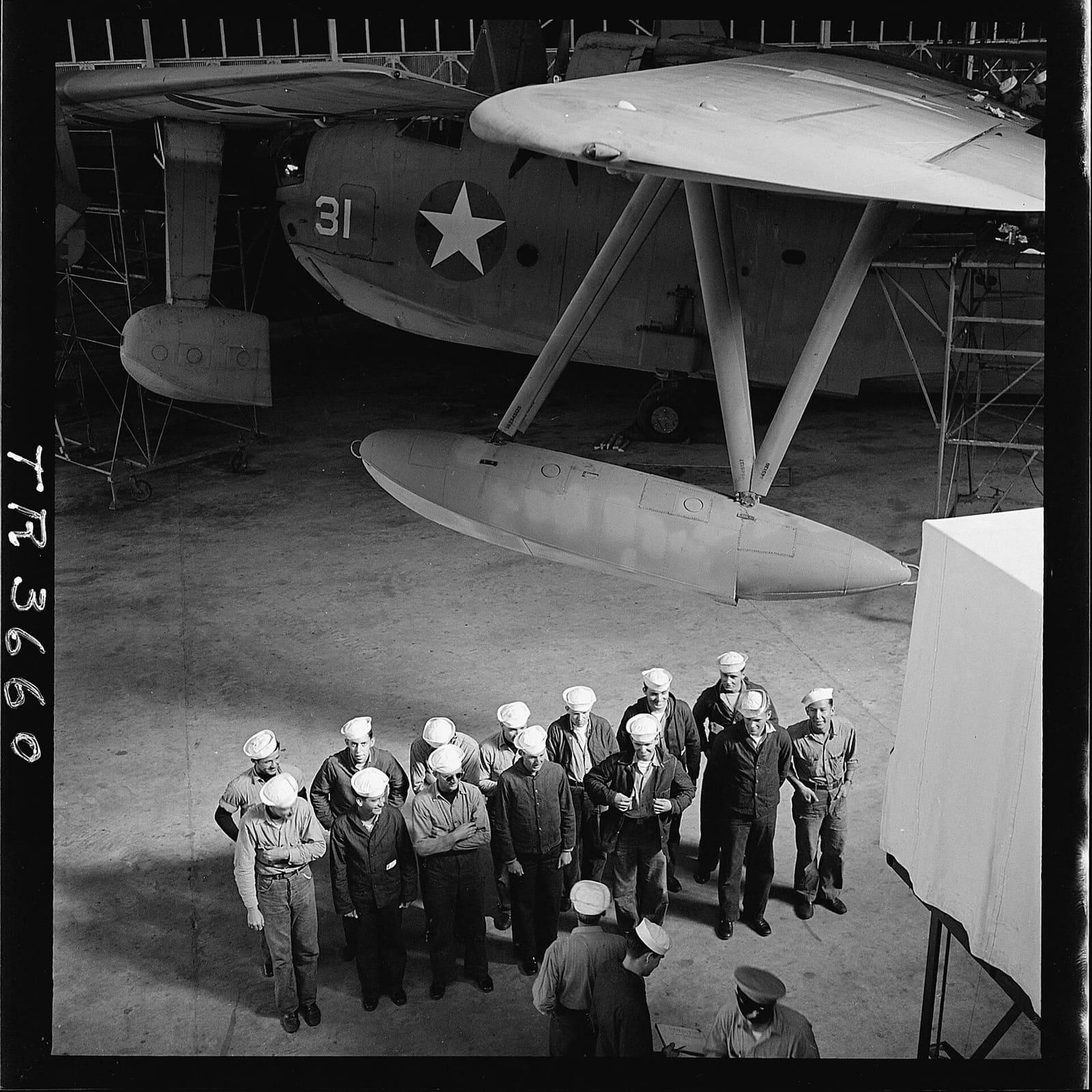
Naval Air Station Banana River, the seaplane base that became Patrick
Before the missile range, the barrier island south of Cocoa Beach held a Navy seaplane base, Naval Air Station Banana River. Inactivated in 1947 and transferred to the Air Force in 1948, it became Patrick Air Force Base on August 1, 1950, and the headquarters of the range that launched the Space Coast.
- Transportation
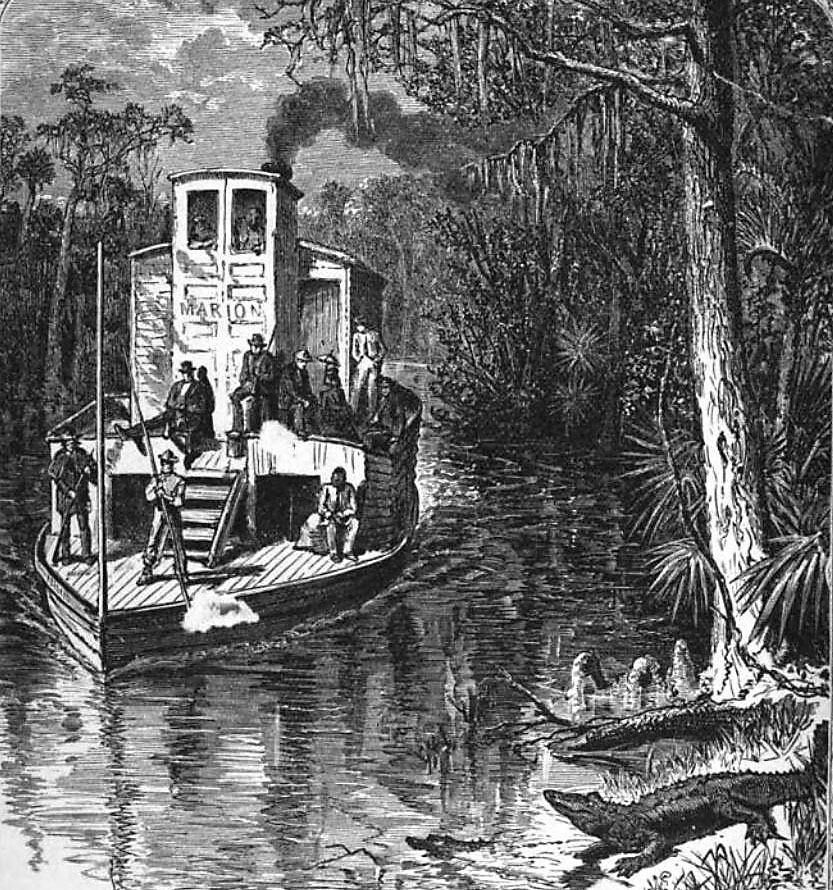
Indian River steamboats: the lagoon's highway before Flagler
Steamboats reached the edge of Brevard in 1880 by way of the St. Johns and Lake Poinsett. From 1885 the Indian River Steamboat Company met the trains at Titusville and carried passengers south. Flagler's railway, arriving in 1893, took the trade.
- Agriculture
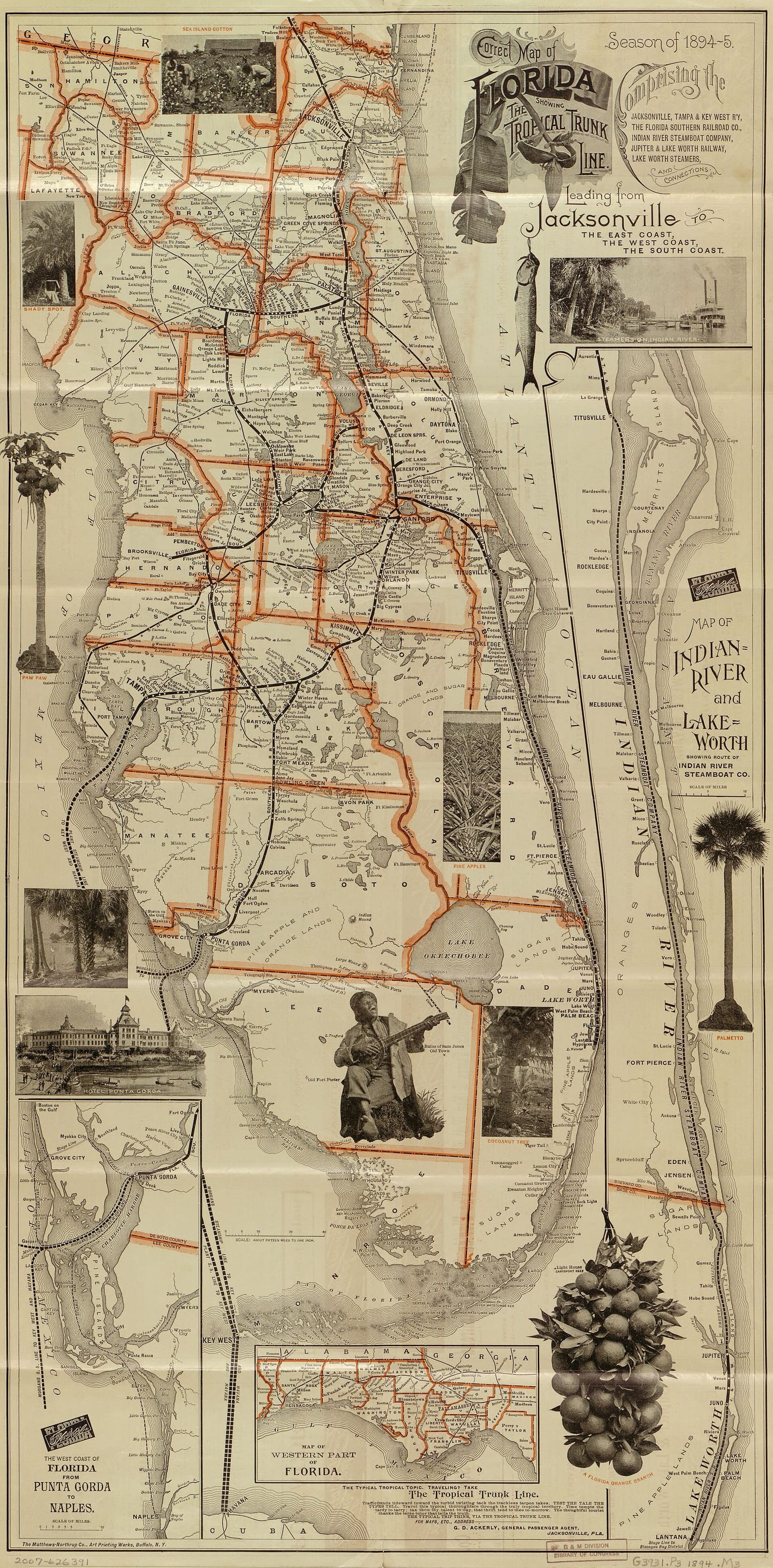
The 1894-95 Great Freeze on the Indian River
Two freezes six weeks apart, on December 29, 1894, and February 8, 1895, killed Florida's orange groves to the ground. Titusville recorded 18°F and 19°F. What the U.S. Department of Agriculture's report and the National Register records show about the freeze in Brevard.
- Railroads
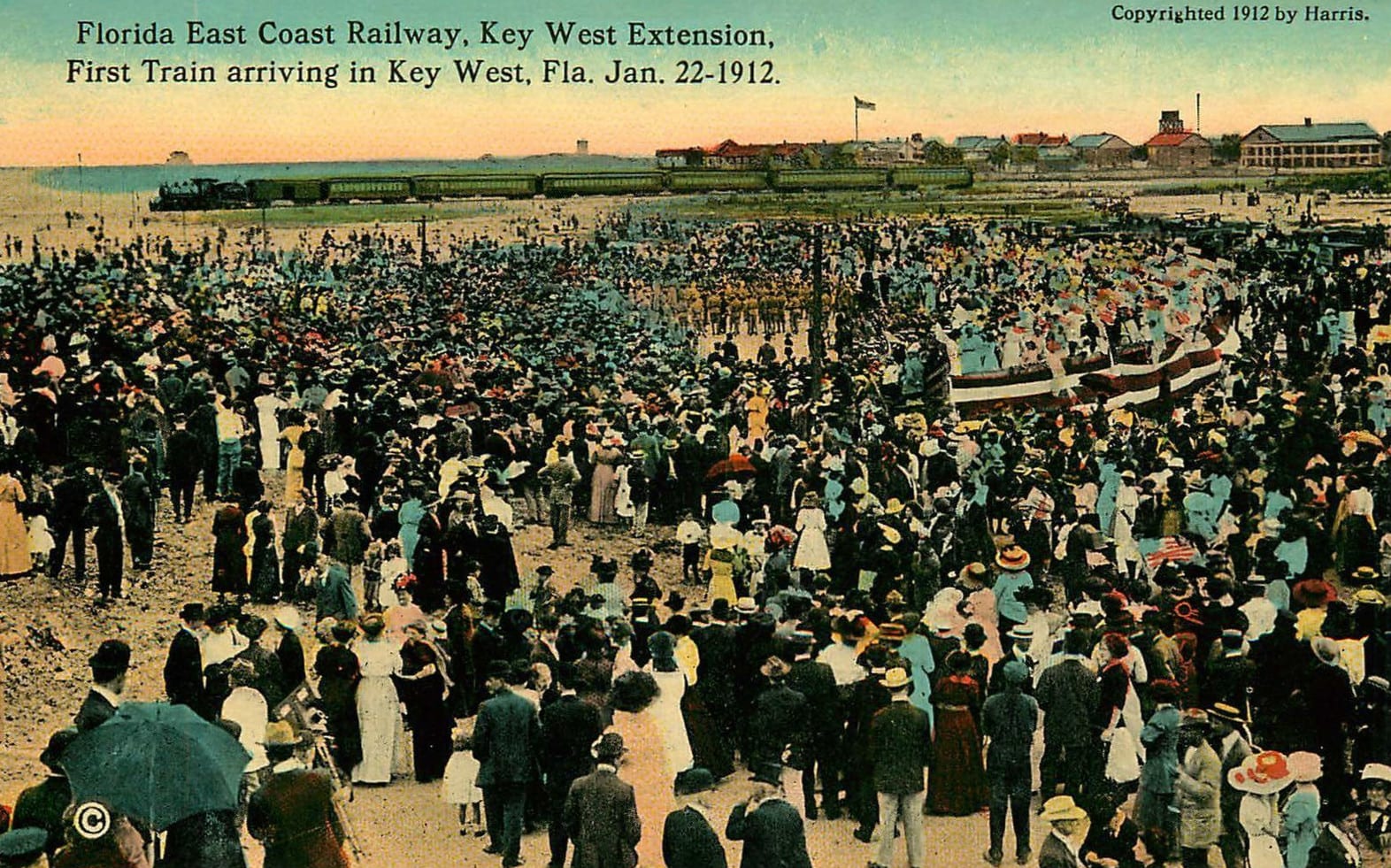
The railroads reach Brevard: Enterprise to Titusville in 1885, Flagler's line in 1893
Brevard's first railroad came from the west in 1885, a 35-mile line from Enterprise on the St. Johns to a wharf at Titusville. Henry Flagler's railway arrived from the north in January 1893, reached Eau Gallie that May, and became the Florida East Coast Railway in 1895.
- County history
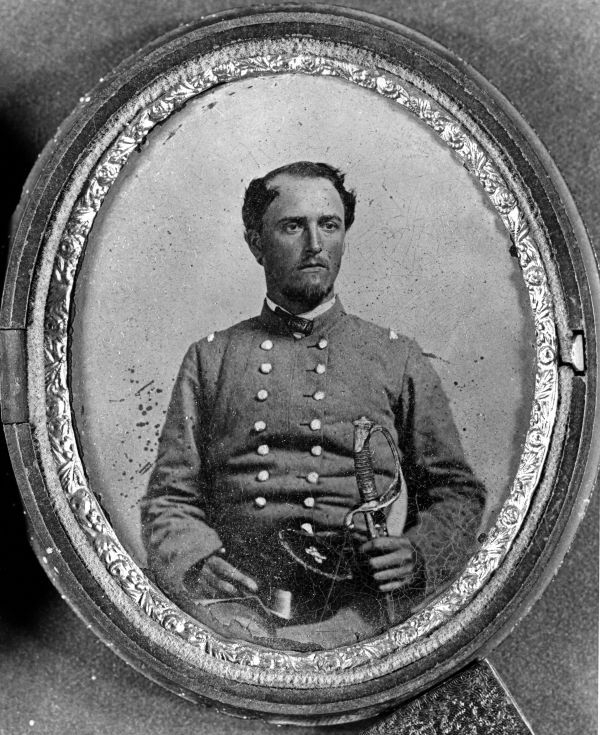
How Brevard County Got Its Name (1855)
Brevard County began in 1844 as St. Lucie County and was renamed in 1855 for Theodore Washington Brevard, Florida's comptroller. Titusville didn't join it until 1879.
- First peoples
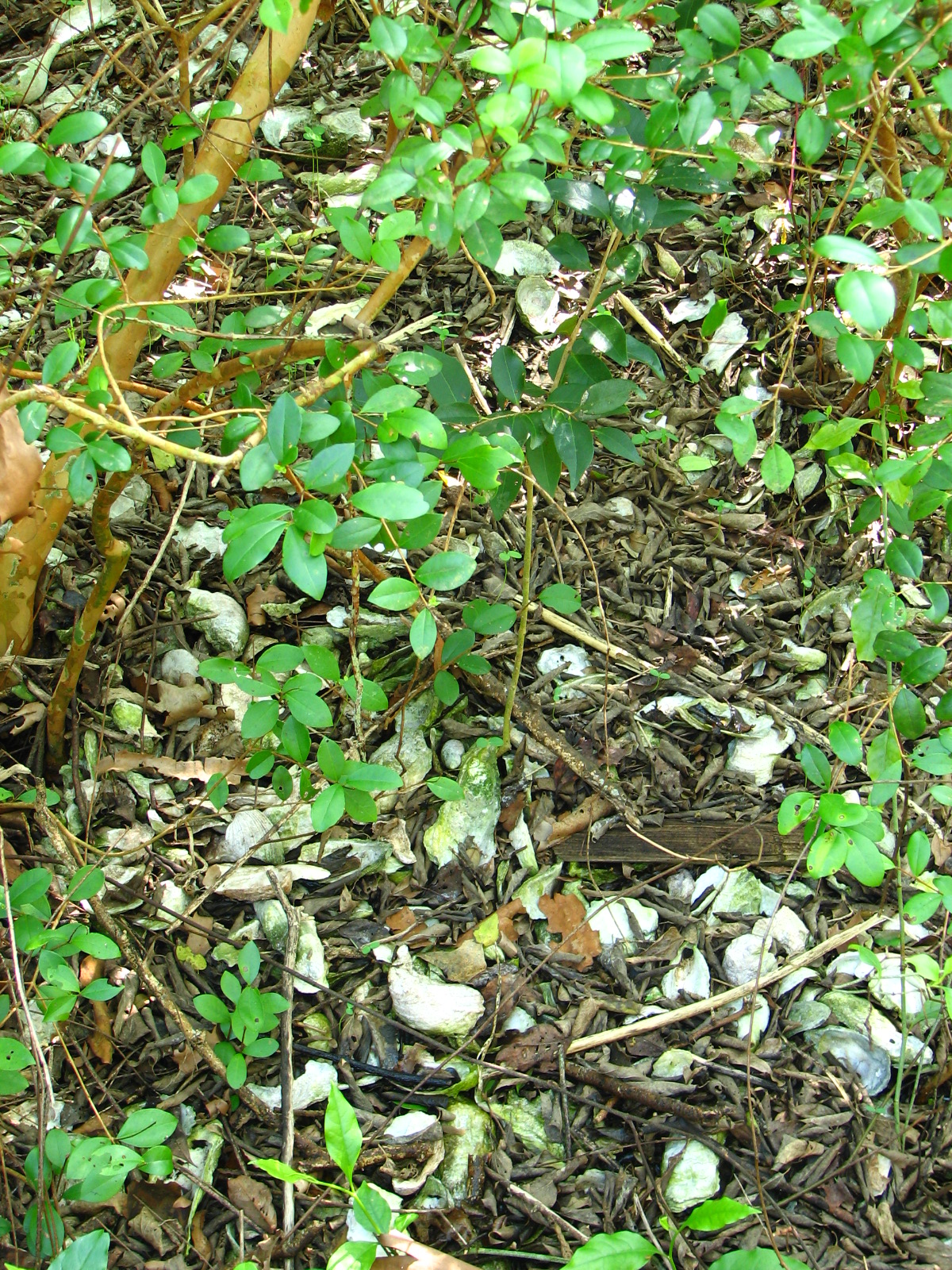
The Ais, the Indian River's people in the Spanish record
When the Spanish came, the Ais held Florida's Atlantic coast from near the Indian River Inlet north almost to Cape Canaveral. What the Spanish record, as compiled by the Smithsonian's John Swanton, and Jonathan Dickinson's 1696 shipwreck journal say about them.